



Statue Hanuman: il guerriero devoto nell'arte asiatica
Statue Hanuman: il guerriero devoto nell'arte asiatica
La maggior parte delle persone che cercano a Statua di Hanuman so già che è potente. Ciò che spesso non vedono è che ogni posa, ogni attributo e ogni scelta materiale nella scultura di Hanuman porta con sé un preciso significato iconografico, e selezionare un pezzo senza comprendere tali significati è un errore davvero evitabile.
Che tu sia un collezionista che sta costruendo una seria collezione di statue di divinità indù, un praticante che arreda un altare domestico o qualcuno attratto dall'arte indù del sud-est asiatico per ragioni estetiche, leggere il linguaggio scultoreo di Hanuman cambierà ciò che cerchi e ciò che trovi.
Sommario
- Takeaway veloci
- Chi è Hanuman e perché la sua scultura è importante
- Iconografia Hanuman: leggere ogni attributo
- Pose e loro significati: più che estetica
- Hanuman nel sud-est asiatico: tradizioni scultoree regionali
- Confronto delle tradizioni regionali Hanuman
- Materiali, lavorazione artigianale e cosa cercare effettivamente
- Posizionamento, uso rituale e cura
- Domande frequenti
- Riferimenti
Takeaway veloci
|
Intuizione chiave |
Spiegazione |
|---|---|
|
La posa codifica lo scopo |
Ogni postura Hanuman, dalla forma volante al devoto seduto, segnala uno specifico intento teologico. Abbina la posa all'uso previsto prima di scegliere un pezzo. |
|
La mazza è l'attributo principale |
La mazza (gada) di Hanuman è il suo simbolo più universale. Se tenuto nella mano destra segnala la disponibilità attiva; appoggiato a terra segnala un guardiano protettivo in riposo. |
|
L'Hanuman del sud-est asiatico differisce in modo significativo dall'Hanuman indiano |
Le versioni tailandese, balinese e cambogiana di Hanuman hanno vocabolari visivi distinti modellati dall'epica locale. Un pezzo dalla Thailandia riflette il Ramakien, non il Valmiki Ramayana. |
|
Il rivestimento del Sindoor è iconograficamente specifico |
Il sindoor rosso-arancio applicato o scolpito su Hanuman ha una chiara fonte mitologica e segnala devozione a Rama. Non è improvvisazione decorativa. |
|
Panchamukhi Hanuman è una forma tantrica |
L'Hanuman a cinque facce (Panchamukha) è tratto dalla tradizione tantrica piuttosto che dal Vaisnavismo tradizionale. Porta diverse associazioni spirituali e si adatta a un contesto rituale diverso. |
|
Il materiale segnala longevità e intenzione |
I pezzi in bronzo e pietra sono investimenti a vita e adatti per altari formali. Opere in resina per uso temporaneo o decorativo, ma non devono essere confuse con opere di qualità museale. |
|
Lo stile del periodo Chola stabilisce il punto di riferimento |
I bronzi Chola dell'India meridionale stabilirono lo standard antropomorfo per la scultura di Hanuman, con solo il viso e la coda che confermano la sua identità di scimmia. I pezzi regionali successivi seguono o si discostano deliberatamente da questo standard. |
Chi è Hanuman e perché la sua scultura è importante
Hanuman è il figlio del dio del vento Vayu, il devoto servitore di Rama e l'incarnazione della forza combinata con la lealtà altruistica. Nel Ramayana composto dal saggio Valmiki, è descritto come il più grande devoto di Rama, una forma di Vishnu. Il suo potere non deriva dall'ego ma dalla completa resa a uno scopo più alto, che è proprio ciò che lo rende teologicamente paradossale e artisticamente avvincente: forza assoluta resa possibile attraverso l'umiltà assoluta.
Occupa una posizione unica nel pantheon indù. È allo stesso tempo un devoto e una divinità, un guerriero e un servitore. Questa duplice natura è ciò che conferisce alla scultura di Hanuman la sua portata drammatica. Nessun'altra divinità nella tradizione indù appare in così tante posture fisicamente espressive, dall'eroe che solleva la montagna al supplicante inginocchiato, e ognuna significa qualcosa di diverso.
Per collezionisti di Statue di divinità indù, Hanuman è uno dei soggetti più gratificanti proprio perché le regole iconografiche sono così specifiche. Una statua di Hanuman ben eseguita è un documento, non solo una decorazione. Per leggerlo correttamente è necessario comprendere i testi, le tradizioni regionali e le convenzioni scultoree che si sono evolute nel corso di più di mille anni in tutta l'India e nel sud-est asiatico.
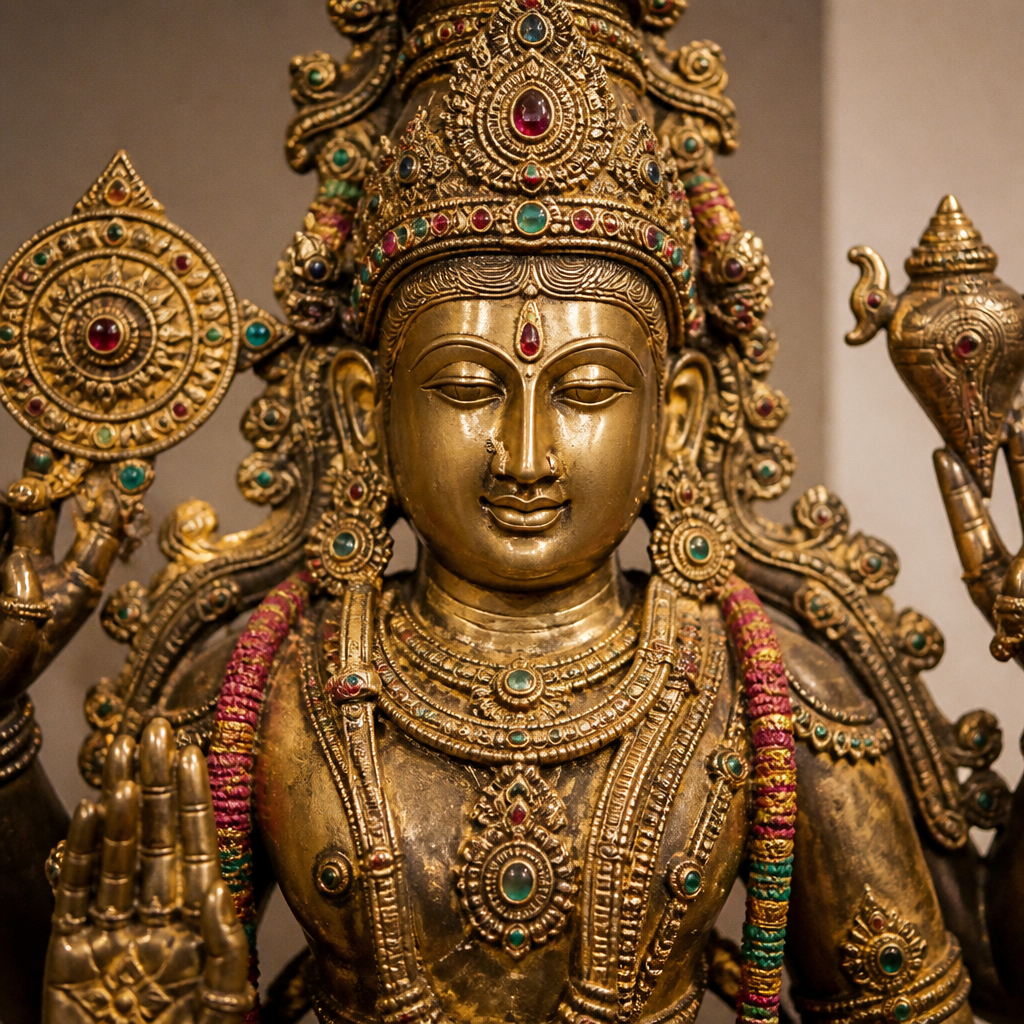
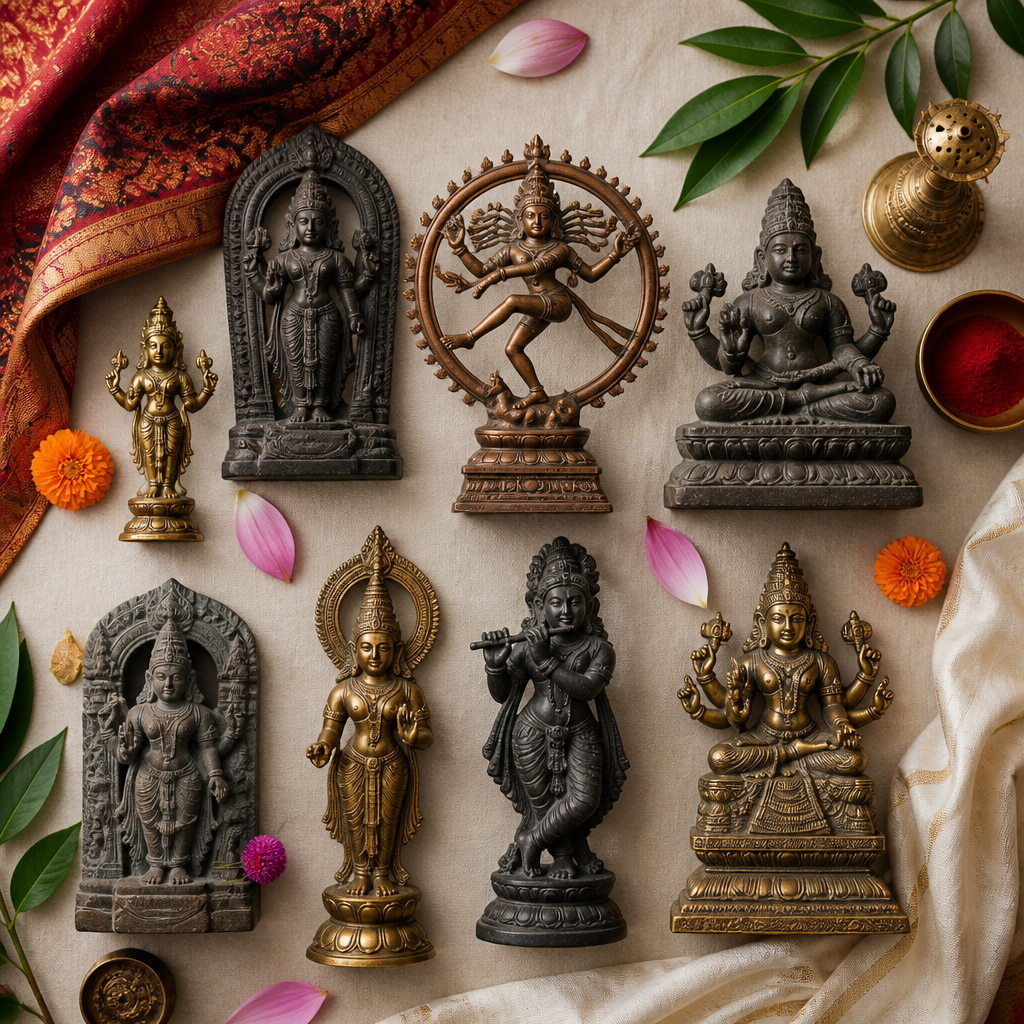
Iconografia Hanuman: leggere ogni attributo
Al di là della posa generale, gli oggetti e le caratteristiche di una statua di Hanuman hanno ciascuno un significato specifico. Un collezionista in grado di leggere questi dettagli prenderà sempre decisioni di acquisto migliori rispetto a uno che si affida solo all'impressione visiva.
La Mazza (Gada)
La mazza è l'attributo più comunemente associato a Hanuman in tutte le tradizioni regionali. È l'arma dell'autorità divina e rappresenta il suo potere di distruggere ostacoli e forze demoniache. Quando la mazza viene tenuta nella mano destra segnala la disponibilità attiva al combattimento. Appoggiato a terra segnala un guardiano a riposo, ancora potente ma non in stato di conflitto attivo. Una statua destinata a scopo protettivo su una soglia o un cancello è più convenzionalmente raffigurata con una mazza verticale.
La coda
La coda di Hanuman è narrativamente significativa in tutto il Ramayana. Fu dato alle fiamme dalle forze di Ravana e poi utilizzato da Hanuman per bruciare Lanka. Nella scultura, la posizione e l'elaborazione della coda spesso indicano la tradizione regionale. I bronzi del periodo Chola dell'India meridionale trattano la coda in modo naturalistico. Le tradizioni scultoree tailandesi e indonesiane tendono ad esagerarlo e stilizzarlo, arricciandolo drammaticamente verso l'alto come indicatore della sua natura soprannaturale. Una coda ben eseguita è segno di uno scultore che lavora su fonti iconografiche autentiche piuttosto che improvvisando.
Sindoor e la colorazione rosso-arancio
Molte statue di Hanuman sono mostrate ricoperte o colorate con sindoor rosso-arancione. Questa non è improvvisazione decorativa. Ha una chiara origine mitologica: Sita si applicò il sindoor ai suoi capelli come segno di devozione a Rama, e Hanuman, comprendendo il suo ragionamento, ne coprì tutto il corpo per dimostrare una devozione ancora maggiore. Sindoor applicato o fuso in una statua di Hanuman segnala specificamente questo atto di devozione. Appare più frequentemente nelle tradizioni scultoree dell'India settentrionale.
Il baule si aprì per rivelare Rama e Sita
Una delle immagini di Hanuman più riconoscibili lo mostra mentre si apre il petto per rivelare Rama e Sita seduti nel suo cuore. Questa forma, spesso chiamata Hridaya Hanuman o Hanuman "a petto aperto", è tra le più potenti dal punto di vista devozionale nella tradizione. Rappresenta l'idea che Rama viva permanentemente nell'essere di Hanuman. In forma scultorea, l'apertura del torace è resa con grande delicatezza in pezzi di qualità, con dettagli raffinati delle due figure all'interno. Questa è una forma tecnicamente impegnativa da eseguire bene e la qualità dell'intaglio interno è un indicatore affidabile della maestria complessiva.
Panchamukhi Hanuman: La forma a cinque facce
Panchamukhi Hanuman, o la forma a cinque facce, presenta il volto di Hanuman insieme ad altri quattro: Narasimha rivolto a sud, Varaha rivolto a nord, Garuda rivolto a ovest e Hayagriva rivolto verso l'alto verso il cielo, con Hanuman stesso rivolto a est. Questa iconografia deriva dalla tradizione tantrica piuttosto che dal Vaisnavismo tradizionale ed è stata presente principalmente in quella tradizione sin dal XV secolo circa. I collezionisti attratti dai pezzi Panchamukhi dovrebbero capire che stanno acquistando una forma rituale tantrica, che porta associazioni spirituali diverse rispetto al devozionale o guerriero Hanuman della tradizione Ramayana.
Suggerimento da professionista: Quando valuti una statua di Hanuman per un altare domestico, controlla se i tre attributi principali sono presenti e posizionati correttamente: mazza, coda e un petto aperto o un gesto chiaro verso Rama. Se tutti e tre sono affrontati dallo scultore, l'opera è stata realizzata partendo da una fonte iconografica genuina e non da una generica approssimazione.
Pose e loro significati: più che estetica
Scegliere una posa Hanuman senza comprenderne il significato teologico è l'errore più comune commesso dagli acquirenti. Ogni postura utilizzata nella scultura di Hanuman codifica un aspetto specifico del suo carattere e svolge una distinta funzione rituale o devozionale.
Anjali Mudra (Mani giunte in preghiera)
Hanuman in ginocchio o in piedi con le mani giunte nella postura anjali mudra lo presenta come il devoto ideale. Questa è la forma più appropriata per i santuari domestici orientati al culto di Rama e per i praticanti che desiderano un ricordo quotidiano della virtù della devozione arresa. È la forma spiritualmente più accessibile per un collezionista principiante. I templi dell'India meridionale mantenevano regolarmente questa forma come parte di complessi processionali incentrati su Rama, Sita e Lakshmana.
Postura Vira (Guerriero in piedi)
Il guerriero in piedi Hanuman, in posizione eretta con la mazza pronta, rappresenta il suo potere di protettore e distruttore delle forze negative. Questa è la forma più appropriata per il posizionamento su ingressi, cancelli e soglie dove è specificatamente ricercata l'energia protettiva. Appare frequentemente anche nelle grandi sculture dei templi all'aperto in tutta l'India e nel sud-est asiatico.
Volare o saltare Hanuman
La postura di volo, con una gamba estesa e il corpo orizzontale o inclinato verso l'alto, raffigura Hanuman nel mezzo del salto attraverso l'oceano verso Lanka. È dinamicamente la forma Hanuman più drammatica e tecnicamente più impegnativa da eseguire come statua indipendente, poiché il pezzo deve restare in equilibrio su una base limitata. I pezzi Hanuman volanti di qualità utilizzano la base e la coda come supporti strutturali. Un pezzo in cui la coda o la gamba estesa presenta fratture da stress visibili o segni di riparazione grezzi è una bandiera rossa sulla qualità della fonderia.
Vira Bhadra o posizione di combattimento
Le posture di combattimento, in cui Hanuman viene mostrato impegnato attivamente con le forze demoniache, a volte trasportando un demone o schiacciandone uno sotto i piedi, sono quelle più direttamente collegate al suo ruolo di distruttore del male. Questa forma appare più spesso nelle sculture in rilievo dei templi che nelle statue indipendenti destinate all'uso domestico, sebbene esistano eccellenti esempi indipendenti in bronzo dell'India meridionale.
La prova più rivelatrice della qualità di una scultura Hanuman non è il volto o l'impressione generale, ma le mani. Il gesto delle mani codifica l'intero significato teologico del brano. Uno scultore che non capiva il mudra eseguiva semplicemente una figura. Uno scultore che lo capì eseguì una dottrina.
Hanuman nel sud-est asiatico: tradizioni scultoree regionali
Il Ramayana non è un unico testo con un'unica tradizione visiva. Esistono centinaia di varianti regionali in tutta l'Asia e ciascuna cultura del sud-est asiatico ha sviluppato la propria versione dell'epopea con implicazioni distinte sul modo in cui Hanuman è raffigurato nell'arte. Comprenderlo è essenziale per qualsiasi collezionista di Arte indù del sud-est asiatico.
Thailandia e Ramakien
La versione tailandese del Ramayana, conosciuta come Ramakien, è l'epopea nazionale della Thailandia. Dà molta più importanza a Hanuman rispetto al testo originale di Valmiki, espandendo il suo ruolo in qualcosa che si avvicina a quello di un co-protagonista. Il Thai Hanuman è tradizionalmente raffigurato con un corpo bianco che rappresenta la purezza e il potere soprannaturale. La sua forma è muscolosa, agile e piena di energia espressiva. Nel Ramakien, non è semplicemente un servitore leale ma anche un eroe carismatico noto per la saggezza, il coraggio e, occasionalmente, una capacità di avventure romantiche che lo distingue nettamente dalla sua controparte indiana. I murali dei templi in siti come il Tempio del Buddha di Smeraldo a Bangkok lo raffigurano in abiti dorati della corte reale tailandese, inginocchiato o impegnato in battaglia, e quelle convenzioni visive si ripercuotono direttamente nell'opera scultorea buddista e indù tailandese.
Indonesia: Bali e il Ramayana vivente
A Bali, il Ramayana rimane una tradizione di rappresentazione vivente, non semplicemente un testo storico. La scultura balinese Hanuman riflette quella vitalità teatrale. I pezzi provenienti da Bali presentano spesso elaborate decorazioni superficiali, drammatiche espressioni facciali e dettagli iconografici tratti dal Kecak balinese e dalle tradizioni delle marionette ombra. Il Ramayana è importante anche nella Giava a maggioranza musulmana, dove l'epopea è rimasta culturalmente significativa nonostante i cambiamenti nella pratica religiosa.
Cambogia e tradizione scultorea Khmer
L'arte Khmer della Cambogia ha prodotto alcune delle rappresentazioni tecnicamente più sofisticate delle scene Ramayana nel mondo, più visibili nelle grandi gallerie di bassorilievi di Angkor Wat. Hanuman nella scultura Khmer è tipicamente più austero della sua controparte tailandese, con meno ornamenti superficiali e una maggiore enfasi sulla forma fisica. I pezzi Hanuman indipendenti in stile Khmer sono tra gli oggetti più rari e ricercati per i collezionisti seri di arte indù del sud-est asiatico.
Laos e Phra Lak Phra Ram
L'epopea nazionale laotiana, Phra Lak Phra Ram, è la versione laotiana del Ramayana. Le tradizioni scultoree laotiane intorno ad Hanuman sono strettamente legate a quelle della Thailandia ma con distinzioni estetiche locali, in particolare nei lineamenti del viso e nel trattamento dei dettagli della corona e dei costumi.
Suggerimento da professionista: Quando acquisti una scultura Hanuman del sud-est asiatico, chiedi sempre della specifica tradizione regionale da cui proviene il pezzo. Un Hanuman tailandese e un Hanuman cambogiano sono oggetti iconograficamente diversi e confonderli è un errore da principiante. Uno specialista rispettabile sarà in grado di dirti esattamente quale tradizione riflette un pezzo e come ciò è visibile nell'opera stessa.
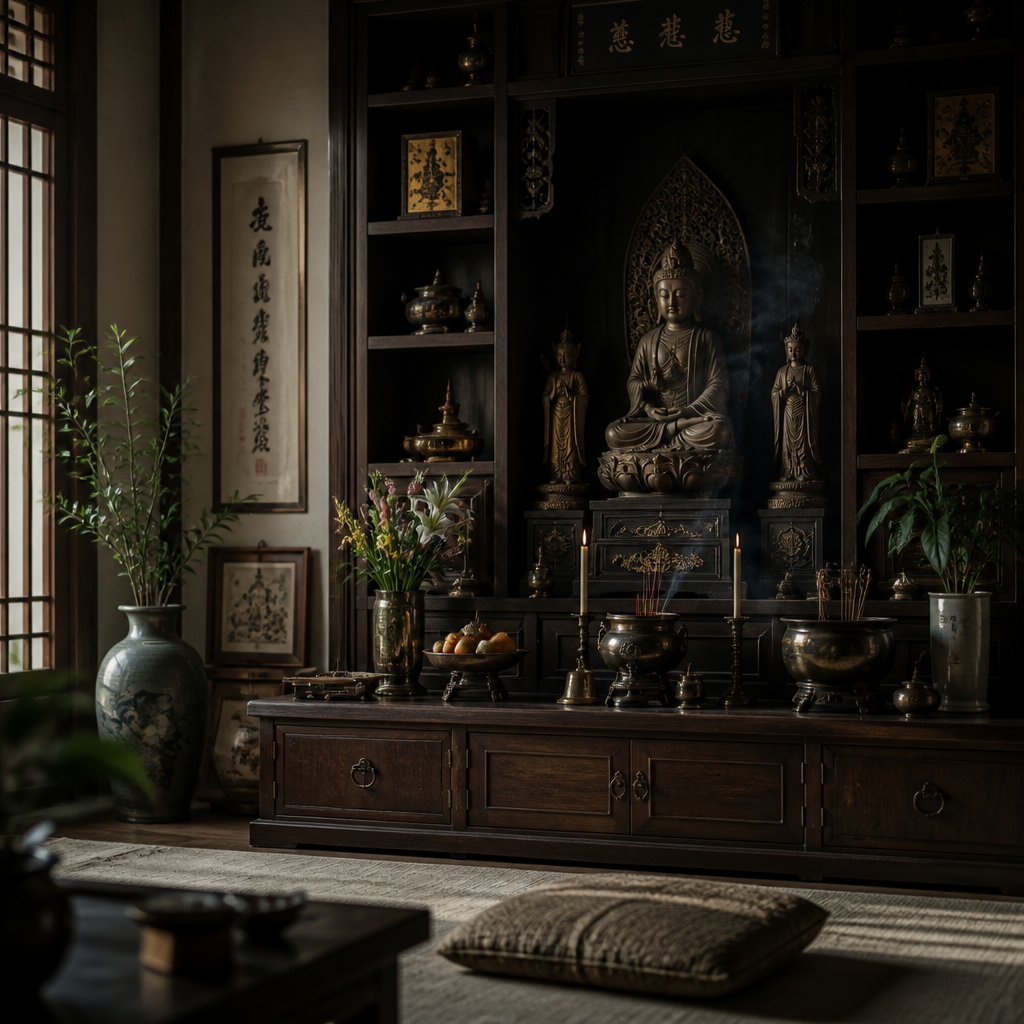
Confronto delle tradizioni regionali Hanuman
|
Caratteristica |
Indiano meridionale (tradizione Chola) |
Tailandese (tradizione Ramakien) |
Balinese (tradizione indonesiana) |
|---|---|---|---|
|
Trattamento del corpo |
Antropomorfo; identità della scimmia limitata alla faccia e alla coda |
Forma di guerriero antropomorfo dal corpo bianco, muscoloso e completo |
Decorazione superficiale espressiva, teatralmente dinamica, elaborata |
|
Fonte testuale principale |
Valmiki Ramayana; Tradizione devozionale vaisnavita |
Ramakien (epopea nazionale tailandese) |
Ramayana balinese; Tradizioni Kecak e marionette ombra |
|
Trattamento macis |
Detenuto formalmente, attributo iconografico centrale |
variabile; a volte sostituite da armi reali tailandesi |
Spesso stilizzato; decorativo accanto agli attributi tradizionali |
|
Convenzioni sui colori |
Toni naturali del bronzo o della pietra; sindoor applicato in devozione |
Corpo bianco; ornamenti in oro in pezzi dorati |
Colorazione policroma comune; specchia la tavolozza teatrale |
|
Più adatto per |
Altare formale, pratica devozionale vaisnavita |
Collezione d'arte del sud-est asiatico, contesto culturale tailandese |
Collezione decorativa, esposizione d'arte espressiva |
In pratica, l’errore più comune che i collezionisti commettono quando confrontano le tradizioni regionali è quello di trattarle come variazioni su un unico tema piuttosto che come vocabolari artistici distinti. Un Hanuman in bronzo dell'India meridionale e un Hanuman dorato tailandese non sono due versioni dello stesso oggetto. Provengono da testi diversi, contesti teologici diversi e lignaggi artigianali diversi. Entrambi sono preziosi, ma non sono intercambiabili.
Materiali, lavorazione artigianale e cosa cercare effettivamente
La scelta del materiale in una statua di Hanuman non è meramente estetica. Segnala l'uso previsto, la durata prevista e il livello di investimento artigianale nel pezzo. Per i collezionisti e i professionisti seri, la questione materiale merita più attenzione di quella che normalmente riceve.
Bronzo
Bronzo è il materiale classico per la tradizione scultorea indù, in particolare dell'India meridionale, dove la tradizione della fusione del bronzo di Chola ha prodotto alcune delle più belle sculture religiose mai realizzate. Un Hanuman in bronzo di qualità, fuso utilizzando il metodo a cera persa (cire perdue), porterà dettagli superficiali che la resina e i metodi di fusione più economici semplicemente non possono replicare. Il peso, la patina e la precisione dei dettagli rifiniti a mano sono gli indicatori da esaminare. I pezzi di bronzo sono adatti sia per altari formali che per collezioni espositive e, con la dovuta cura, durano indefinitamente.
Pietra
Le statue di pietra Hanuman, siano esse in arenaria, granito o pietra nera, hanno un carattere visivo diverso rispetto al bronzo. La pietra si adatta al posizionamento all'aperto e ai pezzi di grande formato destinati a santuari da giardino o ambienti architettonici. Molti dei migliori pezzi Hanuman della tradizione Khmer furono scolpiti nell'arenaria, seguendo le convenzioni materiali dei grandi complessi di templi della Cambogia. Un pezzo di pietra dovrebbe essere esaminato per la qualità dell'intaglio superficiale, in particolare nei dettagli come il viso, le mani e la coda, dove il lavoro inferiore diventa immediatamente visibile.
Resina
I pezzi in resina possono ottenere dettagli superficiali elevati a costi inferiori e con un peso più leggero. Sono adatti per uso decorativo e per i praticanti che necessitano di un oggetto da altare portatile. Un errore comune è acquistare un pezzo in resina che imita l'aspetto del bronzo senza la lavorazione sottostante. Per una collezione destinata ad avere valore o per un uso devozionale serio, il bronzo o la pietra dovrebbero essere la scelta predefinita. Per un pezzo da compagnia per tutta la vita, il bronzo o la pietra valgono l'investimento.
Cosa esaminare prima dell'acquisto
Al di là del materiale, esamina attentamente le mani e il viso. Il mudra (gesto della mano) deve essere reso correttamente: uno scultore che abbia compreso l'iconografia avrà eseguito con precisione le posizioni delle dita. Il volto dovrebbe avere la qualità tipicamente espressiva ma composta della genuina iconografia Hanuman, non un generico volto di scimmia applicato a un corpo generico. In un pezzo di bronzo, controlla l'uniformità della finitura superficiale e se le linee di giunzione della fusione sono rifinite in modo pulito o lasciate ruvide. Le linee di giunzione ruvide indicano che il lavoro di finitura post-fusione non è stato eseguito correttamente, il che suggerisce una fonderia di qualità inferiore.
Posizionamento, uso rituale e cura
Dove e come posizioni una statua di Hanuman è importante oltre l'estetica. Forme diverse si adattano a posizionamenti diversi e comprenderlo ti aiuterà a scegliere correttamente fin dall'inizio.
Posizionamento dell'altare domestico
Una statua devozionale di Hanuman, in particolare la forma anjali mudra, è convenzionalmente collocata su un altare domestico accanto a Rama o come parte di un santuario Vaisnava più ampio. Hanuman è rivolto a est nella maggior parte dei posizionamenti tradizionali, allineati con la direzione dell'alba e con le associazioni direzionali stabilite nell'iconografia Panchamukhi. L'altare dovrebbe essere all'altezza o al di sopra degli occhi quando si è seduti in preghiera, non sul pavimento.
Posizionamento protettivo agli ingressi
Il guerriero in piedi Hanuman con la mazza è la forma più tradizionalmente associata al posizionamento protettivo su porte e cancelli. Ciò riflette il suo ruolo di guardiano che tiene a bada le forze negative. In questo contesto la statua è posizionata rivolta verso l'esterno, verso l'esterno dello spazio, anziché verso l'interno, verso l'altare di famiglia.
Cura e manutenzione
I pezzi in bronzo traggono beneficio dalla pulizia occasionale con un panno morbido per rimuovere la polvere e alcuni professionisti applicano un leggero strato di olio per mantenere la superficie. I pezzi di pietra posizionati all'aperto devono essere controllati periodicamente per verificare la presenza di muschio o agenti atmosferici nei climi umidi. Le offerte Sindoor, tradizionali per Hanuman, possono essere applicate direttamente su pale d'altare in pietra o bronzo come parte della pratica devozionale continua, ma non dovrebbero essere utilizzate su pezzi intesi principalmente come oggetti d'arte.
Per i collezionisti che stanno costruendo una seria partecipazione Statue di divinità indù, Hanuman si accoppia naturalmente con i gruppi di Rama e Sita, riflettendo il suo ruolo all'interno della tradizione devozionale Vaisnava. Realizza anche un pezzo forte e focale insieme alle collezioni di Statue di Buddha dalle tradizioni del sud-est asiatico dove entrambi i vocabolari scultorei si sono sviluppati in stretta vicinanza.
Domande frequenti
Qual è la cosa più importante da controllare quando si acquista una statua di Hanuman?
La cosa più importante da verificare è l'accuratezza del gesto della mano (mudra) e la presenza degli attributi corretti per la forma specifica raffigurata. Una mazza, una coda resa correttamente e l'espressione facciale adeguata alla posa scelta sono i tre elementi che distinguono un'opera realizzata con genuina conoscenza iconografica da una che si avvicina alla forma. Non lasciarti distrarre dalla finitura superficiale o dai dettagli decorativi prima di aver confermato questi fondamenti.
Una statua di Hanuman è appropriata per qualcuno che non è indù?
SÌ. Molti collezionisti, appassionati d'arte e praticanti di yoga o meditazione che non sono indù mantengono le statue di Hanuman come oggetti di apprezzamento estetico, studio culturale o ispirazione. Le qualità di Hanuman, la lealtà, il coraggio, la forza fisica combinate con l'umiltà intellettuale, hanno ampia risonanza. L'unica raccomandazione è quella di conoscere abbastanza l'iconografia per trattare l'opera con il rispetto appropriato a un oggetto d'arte sacra, indipendentemente dal proprio background religioso.
Qual è la differenza tra una statua Hanuman dell'India meridionale e una statua Hanuman tailandese?
Una statua di Hanuman dell'India meridionale, in particolare nella tradizione del bronzo Chola, presenta Hanuman in una forma altamente antropomorfa dove solo il viso e la coda identificano la sua natura di scimmia. È raffigurato come un devoto di Rama nel quadro teologico Vaisnava. Una statua tailandese di Hanuman riflette la tradizione Ramakien, in cui Hanuman è un eroe guerriero dal corpo bianco con un ruolo notevolmente ampliato, un carattere più teatrale ed espressivo e convenzioni visive tratte dall'arte di corte tailandese e dalle tradizioni dello spettacolo. Sono tradizioni iconografiche correlate ma distinte.
Cosa rappresenta Panchamukhi Hanuman ed è appropriato per un altare domestico?
Panchamukhi Hanuman, la forma a cinque facce, è tratta dalla tradizione tantrica piuttosto che dal Vaisnavismo tradizionale. Presenta il volto di Hanuman accanto a quelli di Narasimha, Varaha, Garuda e Hayagriva, ciascuno rivolto verso una specifica direzione cardinale. È associato alla protezione da più direzioni e a pratiche rituali più avanzate. È del tutto appropriato per un altare domestico, ma i collezionisti dovrebbero capire che porta associazioni devozionali tantriche piuttosto che standard, e il suo contesto spirituale differisce dalle forme convenzionali di anjali mudra o guerriero Hanuman.
Come posso identificare una statua di Hanuman in bronzo di alta qualità rispetto a una fusione di bassa qualità?
Esamina i dettagli della superficie nelle aree che richiedono più abilità: le dita, il viso e qualsiasi elemento decorativo sulla corona o sugli indumenti. In una fusione a cera persa di qualità, questi dettagli sono nitidi e continui. Guarda anche le linee di giunzione in cui le sezioni dello stampo si sarebbero unite durante la fusione: queste dovrebbero essere rifinite in modo pulito, non ruvide o visibilmente rattoppate. Il peso del pezzo dovrebbe essere proporzionato alle sue dimensioni. Un pezzo di "bronzo" molto leggero è probabilmente una resina rivestita di bronzo, non un bronzo fuso solido. Infine, controlla la base o la parte inferiore per eventuali segni di fonderia, che nei pezzi rispettabili saranno presenti e leggibili.
Dove dovrebbe essere rivolta una statua di Hanuman in un santuario domestico?
L’est è la direzione più convenzionalmente corretta da rivolgere a Hanuman in un santuario domestico, in linea con l’alba e con le associazioni direzionali stabilite nell’iconografia tradizionale, inclusa la forma Panchamukhi in cui Hanuman stesso è rivolto a est. Se un posizionamento orientale non è architettonicamente possibile, il nord è la seconda alternativa più comunemente utilizzata. Posizionare una statua devozionale di Hanuman rivolta a sud è generalmente evitato nella pratica indù tradizionale.
Se hai una statua di Hanuman a casa tua o nella tua collezione, condividi come hai scelto la posa e cosa significa per la tua pratica. La tua esperienza può aiutare altri collezionisti a fare una scelta più informata.
Ci piacerebbe il tuo feedback e qualsiasi intuizione che condivideresti con gli altri. Quale prospettiva aggiungeresti?
Riferimenti
-
Come scegliere l'idolo Hanuman giusto: posa, materiale, dimensioni e guida al posizionamento
-
Hanuman come il venerato dio scimmia nella mitologia indù e nella storia dell'arte visiva
-
Thai Hanuman nel Ramakien: iconografia, carattere e significato culturale
