



Sculture artigianali: perché trasformano gli spazi di lusso
Sculture artigianali: perché trasformano gli spazi di lusso
La scultura realizzata a mano conferisce a uno spazio di lusso qualcosa che un dipinto o una stampa non potranno mai fare: presenza fisica fornita dai servizi di art concierge. Un Buddha in pietra scolpita o un Ganesha in bronzo fuso occupano un volume reale, catturando la luce in modo diverso alle 9:00 e alle 18:00, e portando con sé la traccia visibile di una mano umana che la produzione di massa cancella.
Anche arte e scultura curate tendono ad avere risultati migliori con gli acquirenti seri, perché una casa che espone pezzi originali, supportati dalla provenienza, si legge come assemblata intenzionalmente piuttosto che arredata dal pavimento di uno showroom. Inizia con un pezzo importante, posizionato dove la luce e la visuale funzionano già a suo favore.
I vantaggi principali si dividono in tre categorie:
- Impatto sensoriale e architettonico - profondità, ombra e contrasto materiale tattile che la flat art non può fornire.
- Collezionabilità e valore patrimoniale — le opere originali con provenienza documentata possono apprezzare e mantenere un valore a lungo termine.
- Narrazione culturale e personale - ogni pezzo porta con sé una storia, una regione e un significato simbolico che conferisce a una stanza un'ancora narrativa.
Punti chiave
La scultura artigianale funziona in spazi di lusso perché aggiunge presenza tridimensionale, provenienza verificabile e narrativa culturale che l'arredamento piatto e i pezzi prodotti in serie non possono replicare.
| Punto | Dettagli |
|---|---|
| La scultura modella la luce e lo spazio | La forma tridimensionale interagisce con la luce e l'ombra in modi che i dipinti non possono replicare. |
| La moderazione segnala un lusso tranquillo | Un pezzo ben posizionato comunica più di una stanza piena di decorazioni. |
| La provenienza guida la collezionabilità | L'origine documentata, i rapporti sulle condizioni e l'attribuzione dell'artista determinano il valore a lungo termine. |
| La scala e la visuale contano prima di tutto | Misura l'architettura e prova gli angoli di visione prima di selezionare un pezzo. |
| HD Asian Art documenta ogni pezzo | Offre descrizioni ricercate da esperti, fotografie di qualità museale e spedizione DHL assicurata in tutto il mondo. |
Sommario
In che modo la scultura artigianale eleva un interno di lusso?
La scultura cambia il comportamento di una stanza, non solo il suo aspetto. Laddove un dipinto è appoggiato contro un muro, una figura tridimensionale in bronzo o pietra interrompe e reindirizza la luce durante il giorno, proiettando ombre mutevoli che una superficie piana non può produrre. I designer che lavorano con la scultura sottolineano che i dipinti semplicemente non possono replicare il modo in cui una forma scultorea occupa e modella lo spazio fisico, il che è parte del motivo per cui una stanza con una forte arte può ancora sembrare vuota finché qualcosa di dimensionale non vi entra.
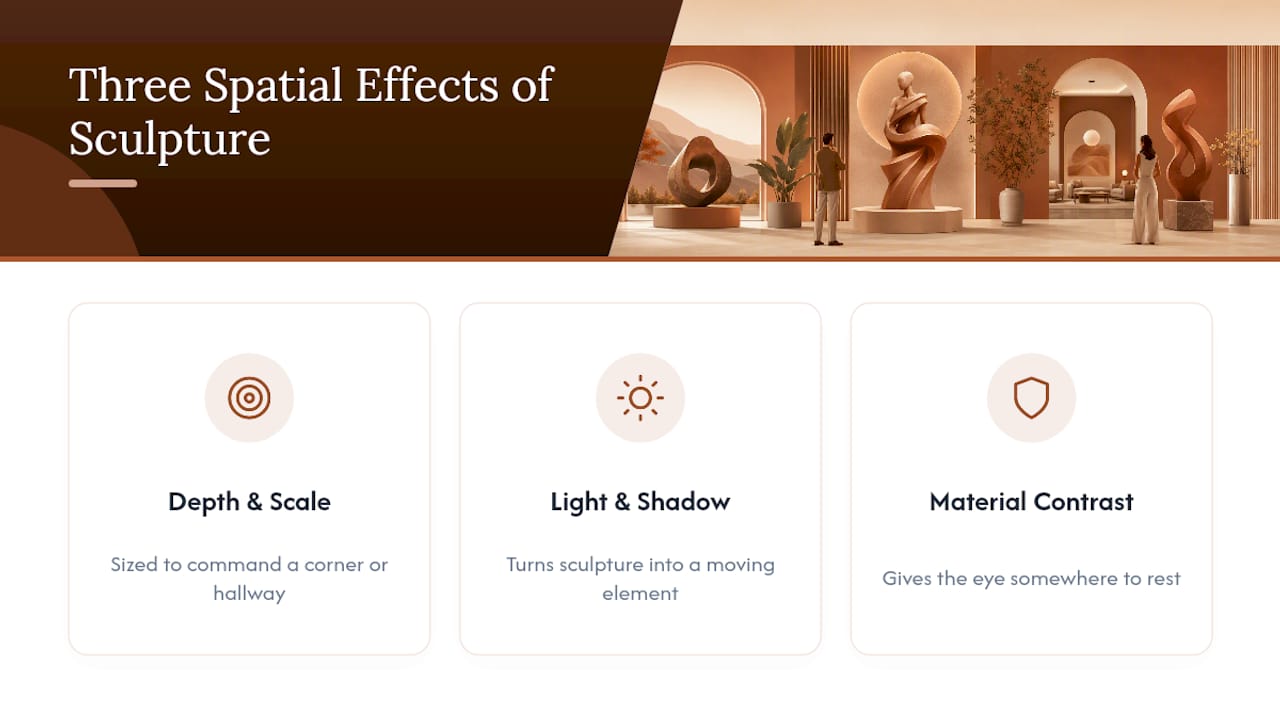
Tre effetti spaziali fanno il lavoro pesante. Profondità e scala stabiliscono un senso di presenza, soprattutto quando un pezzo è dimensionato per dominare un angolo o un corridoio senza affollarlo. L'interazione di luci e ombre trasforma la scultura in un elemento in movimento in una stanza altrimenti statica. Il contrasto tattile e materico, che si tratti di pietra stagionata contro marmo lucido o bronzo scuro contro lino chiaro, offre allo sguardo un posto dove riposare.
È qui che il lusso tranquillo si separa dallo spettacolo. Una singola scultura ben scelta, posizionata con sobrietà, comunica più sicurezza di una stanza affollata di decorazioni. Questo principio è presente nella maggior parte dei moderni design degli interni di lusso, che privilegia l'artigianalità e la personalizzazione rispetto al volume guidato dalle tendenze. L’obiettivo non è impressionare con la quantità. È lasciare che un oggetto guadagni il suo posto.
In un ingresso, una modesta figura in piedi dà il tono prima che un ospite dica una parola. In un soggiorno, una forma di seduta più ampia può ancorare una disposizione dei posti a sedere come farebbe un caminetto. In un giardino, la pietra resistente agli agenti atmosferici resiste al verde e al mutare delle stagioni.
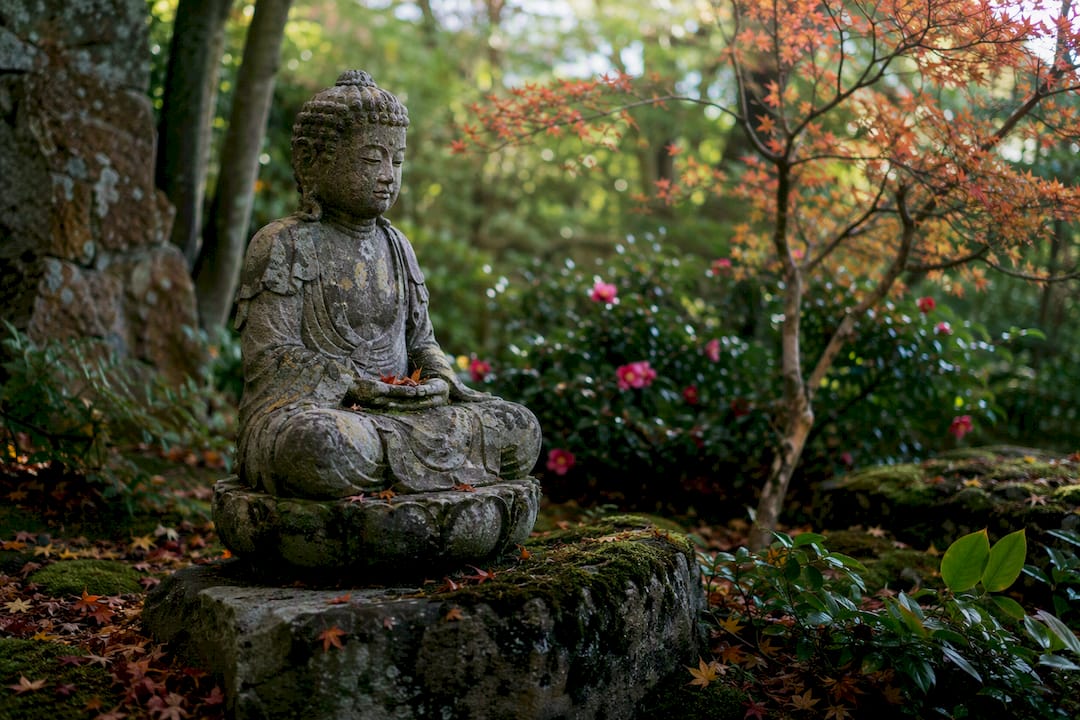
Suggerimento professionale: Misura la linea visiva dal punto di ingresso principale, non solo la superficie della stanza. Una scultura perfettamente in scala su un muro può comunque sembrare sbagliata se è la prima cosa che vedi da sei metri di distanza e le proporzioni non reggono a distanza.
La scultura come bene collezionabile e apprezzabile
I pezzi originali realizzati a mano fanno qualcosa che l'arredamento prodotto in serie non farà mai: possono aumentare di valore facendo sembrare la casa curata piuttosto che decorata. L'integrazione di sculture originali e documentate in una casa segnala un investimento intenzionale per chiunque valuti la proprietà, che si tratti di un ospite a cena o di un futuro acquirente.
La collezionabilità si riduce ad alcuni fattori concreti: provenienza verificata, prova di origine artigianale o regionale, segnalazione delle condizioni e rarità. Una figura in arenaria cambogiana con età e origine documentate ha un peso diverso rispetto a una riproduzione non contrassegnata, anche se le due sembrano simili in una foto.
Prima di acquistare, chiedi al venditore:
- Documentazione scritta di provenienza e provenienza regionale
- Un rapporto sulle condizioni che indica restauro, usura o riparazione
- Fotografia di qualità museale che mostra il pezzo da più angolazioni
- Conferma di spedizione assicurata per la protezione del transito
Una casa non ha bisogno dell’arte di una galleria per sentirsi curata. Ha bisogno di uno o due pezzi che un acquirente, o un ospite, ricordi dopo la sua partenza.
La scultura è anche una fotografia migliore per elenchi e portafogli rispetto alla maggior parte dei mobili. Fotografia professionale di livello museale cattura la struttura e la forma in modo da rendere un annuncio memorabile piuttosto che generico, il che è importante sia che tu stia allestendo una casa in vendita o costruendo un portfolio di design.
Come integrare una scultura nel tuo spazio
Inizia valutando l'architettura prima di innamorarti di un pezzo. I percorsi di circolazione, le linee di vista, l'altezza del soffitto e le fonti di luce esistenti determinano se una scultura viene interpretata come intenzionale o accidentale. Un bronzo alto quattro piedi che sembra perfetto in una foto di una galleria può sopraffare una stanza dal soffitto basso o svanire in un atrio a doppia altezza.
Lavora attraverso questa sequenza prima di impegnarti in un pezzo:
- Misura lo spazio, inclusa l'altezza del soffitto, la larghezza delle pareti e la distanza dai probabili punti di osservazione.
- Metti alla prova la visuale stando all’ingresso principale della stanza e immaginando l’opera al suo posto, alla sua altezza e base reali.
- Scegli materiale e finitura in base alla tavolozza esistente della stanza. Il bronzo scuro si abbina caldamente ai toni del legno; la pietra chiara funziona meglio in stanze minimaliste e piene di luce.
- Pianificare il montaggio e la consegna prima che arrivi il pezzo, incluso se necessita di un basamento, di un ancoraggio a muro o di un pavimento rinforzato per il peso.
Stanza dopo stanza, le scelte cambiano. Un ingresso trae vantaggio da un pezzo con una presenza silenziosa, qualcosa che saluta piuttosto che richiedere attenzione, un principio esplorato in La guida di HD Asian Art per un interior design pieno di sentimento. Un soggiorno può supportare un pezzo di ancoraggio più grande che funziona in questo modo i designer usano la scultura per creare un punto focale una volta posizionati i mobili funzionali. Una camera da letto richiede qualcosa di più tranquillo nelle dimensioni e nella forma, adatto al riposo piuttosto che alla conversazione. Un giardino o una terrazza necessitano di pietra o bronzo resistenti alle intemperie, posizionati dove la luce stagionale lo colpisca bene.
Suggerimento professionale: I pezzi più pesanti in pietra e bronzo spesso necessitano di una base rinforzata o di un basamento adeguato al peso, non solo di un supporto decorativo. Confermalo con il venditore prima della consegna e chiedi se è inclusa la spedizione professionale e assicurata come DHL, in modo che il pezzo arrivi pronto per l'installazione anziché richiedere la riparazione in loco.
Per le stanze con illuminazione a strati, un faretto angolato da 30 a 45 gradi in genere mette in risalto la struttura della superficie meglio della sola luce ambientale dall'alto. Se lavori con un installatore locale per pezzi di pietra più pesanti, conferma che abbia esperienza con belle arti o oggetti d'antiquariato, non solo con il montaggio generale del tuttofare.
Come si sceglie una scultura autentica e di qualità museale?
Richiedi la documentazione sulla provenienza e sulle condizioni prima di ogni altra cosa. Un venditore che non è in grado di fornire dettagli chiari sull’origine o che si difende quando gli viene chiesto informazioni sull’età e sui materiali di un pezzo, ti sta dicendo qualcosa di importante.
La lista di controllo di un acquirente dovrebbe includere:
- Provenienza documentata, inclusa regione ed età stimata
- Analisi dei materiali o conferma della composizione di bronzo, pietra o legno
- Attribuzione dell'artista o della bottega, ove disponibile
- Un rapporto scritto sulle condizioni in cui si annota qualsiasi restauro
- Spedizione assicurata e politica di restituzione chiara
Attenzione anche alle bandiere rosse. Informazioni sull'origine vaghe o mancanti, fotografie generiche in stile stock invece di singoli scatti del pezzo reale, nessun rapporto sulle condizioni offerto e tempi di consegna insolitamente rapidi per qualcosa commercializzato come fatto a mano suggeriscono che l'elenco merita più controllo.
I pezzi che vale la pena acquistare sono quelli che un venditore è disposto a documentare in dettaglio. Se nessuno può dirti da dove viene, questa è la risposta.
Descrizioni scritte da esperti, fotografie ad alta risoluzione da più angolazioni e un corriere assicurato nominato sono i tre segnali di fiducia che vale la pena richiedere ogni volta, indipendentemente dal prezzo.
Prospettiva del curatore e della galleria: perché la scultura viene prima di tutto
La scultura viene inserita in un progetto prima di quanto la maggior parte dei clienti si aspetti, e c'è una ragione per questo. Una stanza costruita prima attorno ai mobili e poi all'arte, di solito finisce per essere decorata piuttosto che progettata. Quando un pezzo scultoreo fissa il piano fin dal primo giorno, tutto il resto, i posti a sedere, l'illuminazione, la tavolozza dei colori, viene scelto in relazione ad esso. Questa sequenza tende a produrre stanze che sembrano risolte piuttosto che assemblate. Una singola figura in pietra Khmer collocata in un ingresso altrimenti scarso ha fatto di più per definire il carattere di una casa, nella mia esperienza nell'esaminare gli spazi dei clienti, di un'intera parete di dipinti curati.
Una fonte affidabile per autentiche sculture artigianali
Se tutto quanto sopra ti ha fatto pensare a dove trovare effettivamente un pezzo attorno al quale valga la pena costruire una stanza, questa è la parte più difficile. HD Asian Art ricerca, fotografa e documenta ogni scultura individualmente anziché elencare un inventario generico, il che significa che i dettagli sulla provenienza e sulle condizioni che chiederesti a qualsiasi venditore sono già preparati prima che tu lo chieda.
Ogni pezzo viene spedito in tutto il mondo con consegna DHL assicurata e le descrizioni provengono da specialisti che hanno familiarità con gli stili regionali di Cambogia, Tailandia, Indonesia, Sri Lanka e Vietnam, non con copie basate su modelli. Se un Bodhisattva in bronzo o un guardiano del tempio in pietra scolpita è il tipo di elemento di ancoraggio di cui il tuo spazio ha bisogno, sfoglia la collezione attuale e vedi quali pezzi hanno la documentazione e la fotografia per sostenere il loro prezzo.
Fonti
- Case di lusso: perché le sculture sono essenziali
- Guida all'interior design di lusso · Decorilla
- Interior design di lusso · Blog Pacaso
Consigliato
- Il ruolo della scultura fatta a mano nella creazione di interni pieni di sentimento - Arte asiatica HD
- Sculture asiatiche nelle lobby dei boutique hotel: una guida alla progettazione - Arte asiatica HD
- Perché la scultura asiatica aggiunge energia spirituale al tuo spazio - Arte asiatica HD
- Scultura in materiale naturale: ruolo nel tuo spazio benessere – Arte asiatica HD
