



Dónde comprar arte budista de origen ético
Dónde comprar arte budista de origen ético
Tabla de contenidos
Última actualización: 4 de septiembre de 2026
Lo que define el abastecimiento ético en el arte budista
El abastecimiento ético en el arte budista significa comprar piezas creadas con respeto por el patrimonio cultural, prácticas laborales justas y cadenas de suministro transparentes. Este enfoque garantiza que los artesanos reciban una compensación justa, que los materiales se obtengan de forma sostenible y que se respete la naturaleza sagrada de estos objetos durante toda la producción y venta. Cuando compras arte budista de origen ético, estás apoyando a los artesanos y a las comunidades en lugar de a sistemas explotadores de producción en masa.
La distinción es importante porque las estatuas budistas, las pinturas thangka y los objetos de altar tienen un significado espiritual. Una pieza realizada por un maestro artista utilizando métodos tradicionales y principios de comercio justo difiere fundamentalmente de las réplicas producidas en fábrica. Auténtico trabajo artesanal refleja la meditación y la intención incorporadas en el proceso de creación mismo.
En HD Asian Art, reconocemos que los coleccionistas y practicantes espirituales serios merecen transparencia sobre el origen de sus piezas. Nuestra colección cuidadosamente seleccionada enfatiza la procedencia y la preservación y curación de los métodos artesanales tradicionales.
Estatuas budistas de comercio justo y cadenas de suministro transparentes
Las estatuas budistas de comercio justo garantizan que los artesanos recibieron salarios justos por su trabajo y que no hubo prácticas laborales de explotación en la producción (wfto.com). Una cadena de suministro transparente significa que puedes rastrear la pieza desde el estudio del artesano, pasando por cada intermediario, hasta tus manos. Esta documentación protege tanto al comprador como al fabricante.
Los vendedores acreditados mantienen registros detallados que muestran de dónde se obtuvo el bronce, qué maestro artista creó la pieza y cuánto tiempo llevó el trabajo. Esta transparencia distingue a los distribuidores legítimos de aquellos que oscurecen sus cadenas de suministro. Cuando un vendedor no puede explicar el viaje de una estatua, quién la hizo, cuándo y con qué materiales, eso es una señal de alerta.
Busque vendedores que proporcionen nombres de artistas, orígenes de pueblos y fechas de creación. Algunos minoristas éticos trabajan directamente con cooperativas de artesanos, eliminando a los intermediarios que se benefician sin apoyar a los creadores. Estas relaciones directas garantizan que porcentajes más altos de ingresos lleguen a las personas que realmente elaboraron el trabajo.
Cómo verificar la autenticidad del arte budista antiguo
Verificar la autenticidad requiere examinar múltiples factores: composición del material, estilo artístico, desarrollo de la pátina y documentación histórica. Las piezas de bronce deben mostrar una pátina apropiada para la edad, la capa superficial coloreada que se desarrolla durante décadas. Las antigüedades genuinas muestran una coloración de pátina consistente, mientras que las piezas envejecidas artificialmente a menudo muestran una pátina desigual o sospechosamente uniforme.
Estudie la iconografía con atención. Las estatuas budistas siguen posiciones específicas de geometría sagrada y mudra de mano. Una pieza auténtica refleja con precisión estas proporciones tradicionales y el simbolismo espiritual. Los artistas maestros interiorizan estas reglas a través de años de formación; Las piezas producidas en masa a menudo se desvían sutil pero notablemente de los estándares iconográficos correctos.
Solicite certificados de autenticidad a distribuidores acreditados. Estos documentos deben citar la edad estimada de la pieza, los resultados del análisis del material y la evaluación de expertos. Las casas de subastas y las galerías establecidas brindan informes detallados sobre el estado e investigaciones de procedencia. Sea escéptico con los vendedores que no ofrecen documentación o lo apresuran en la compra sin responder preguntas técnicas.
Verificación de afirmaciones de abastecimiento ético mediante certificación de terceros
Más allá de la autenticidad visual, las afirmaciones éticas requieren una verificación independiente. Muchos vendedores afirman prácticas de comercio justo sin pruebas. Utilice esta lista de verificación para validar sus certificaciones:
Marcadores de Certificación de Comercio Justo: Busque documentación de organizaciones que auditen asociaciones de artesanos. Las certificaciones legítimas requieren verificación in situ de las condiciones del taller, registros salariales y consentimiento del artesano. Pregunte a los vendedores qué organismo certificador auditó su cadena de suministro y solicite el documento de certificación o el número del informe de auditoría. Las organizaciones acreditadas publican sus listas de productores certificados en línea, lo que le permite comparar las afirmaciones del vendedor.
Asociaciones cooperativas artesanales: Los minoristas éticos suelen trabajar directamente con cooperativas de artesanos en lugar de a través de intermediarios. Solicite el nombre, la ubicación y la información de contacto de la cooperativa. Muchas cooperativas mantienen sitios web o páginas de redes sociales donde se puede verificar su existencia y ver los perfiles de los artistas miembros. Las asociaciones directas suelen significar porcentajes más altos de ingresos que llegan a los creadores.
Documentación de abastecimiento de materiales: Los vendedores éticos deben proporcionar detalles sobre el origen de las materias primas. Para el bronce, pregunte si el metal proviene de materiales reciclados o de operaciones mineras primarias, y si el proveedor tiene certificaciones ambientales. Para la madera, solicite documentación de certificación forestal (como la certificación FSC para bosques gestionados de forma sostenible). En el caso de la piedra, pregunte si la cantera opera bajo supervisión ambiental y si la extracción sigue protocolos legales.
Atribución y Trazabilidad Artesanal: Los vendedores legítimos nombran al artista o taller individual que creó cada pieza. Solicita el nombre completo del artesano, pueblo o región de origen, años de experiencia y una fotografía del mismo con la obra. Algunos minoristas éticos mantienen perfiles de artistas con información biográfica e imágenes de sus estudios. Este nivel de detalle es casi imposible de fabricar y sirve como una fuerte señal de autenticidad.
Señales de alerta en las reclamaciones de certificación: Sea escéptico si un vendedor afirma que se trata de un abastecimiento ético pero no puede presentar ninguna verificación de terceros, utiliza un lenguaje vago como "hecho artesanalmente" sin nombrar a las personas, no ofrece información sobre el origen del material o proporciona narrativas de procedencia idénticas para varias piezas (lo que sugiere documentación basada en plantilla en lugar de documentación genuina). Los vendedores que apresuran la autenticación o desalientan las preguntas detalladas están priorizando las ventas sobre la transparencia.
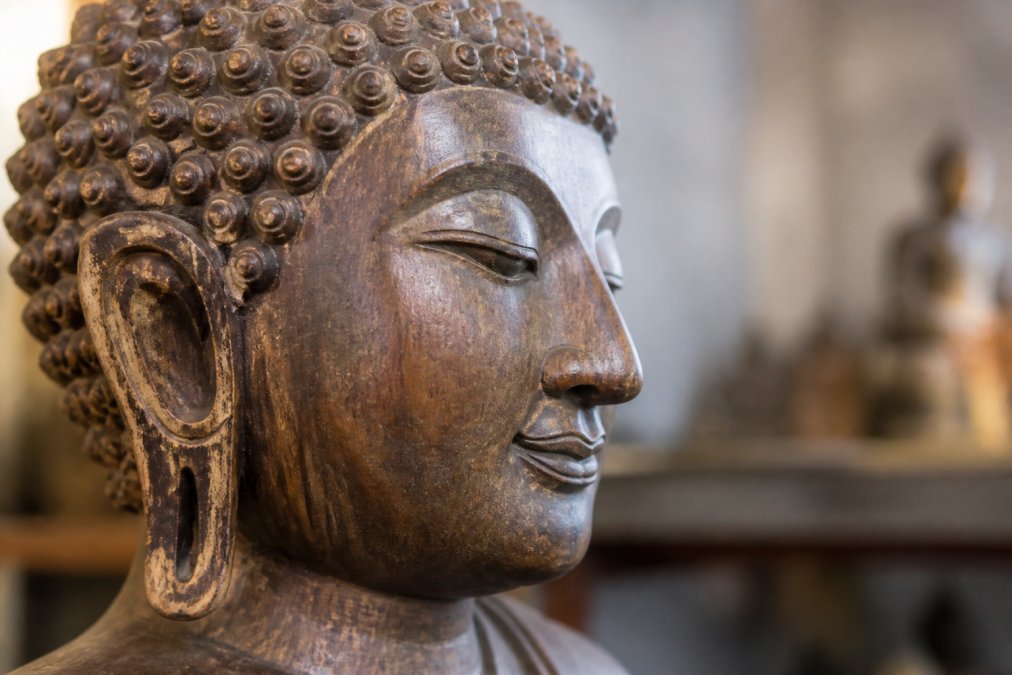
Materiales, artesanía e impacto ambiental
Las estatuas budistas tradicionalmente se funden en bronce, se tallan en madera o se esculpen en piedra. Cada material conlleva diferentes consideraciones medioambientales y éticas. Fundición de bronce El uso de la técnica de la cera perdida requiere una habilidad significativa pero un procesamiento industrial mínimo (investigación revisada por pares). El tallado en madera respalda la gestión forestal cuando proviene de proveedores sostenibles. La escultura en piedra produce desechos de cantera pero utiliza materiales disponibles localmente en las comunidades tradicionales.
El impacto ambiental depende de las prácticas de abastecimiento. El abastecimiento de bronce gestionado responsablemente evita los minerales conflictivos y la minería no regulada. La madera sostenible proviene de bosques certificados o madera recuperada. La piedra debe provenir de canteras establecidas con supervisión ambiental, no de sitios de extracción ilegal.
Las piezas hechas a mano conllevan inherentemente un menor impacto ambiental que las alternativas producidas en masa. Un solo artesano que trabaja con herramientas tradicionales genera un mínimo de desperdicio. La producción industrial implica procesamiento químico, maquinaria que consume mucha energía y redes de transporte que multiplican los costos ambientales. Cuando compras trabajo hecho a mano, estás eligiendo un método de producción que respeta tanto el patrimonio cultural como los límites ecológicos. tiendas online éticas.
Estilos regionales y sus contextos de abastecimiento ético
Las tradiciones artísticas budistas varían significativamente según la región y cada una conlleva distintas implicaciones éticas en materia de abastecimiento. Comprender estas diferencias le ayuda a tomar decisiones informadas y alineadas con sus valores.
Arte budista tibetano: Las piezas tibetanas, incluidas pinturas thangka, estatuas de bronce y objetos de altar de madera, a menudo provienen de Nepal, Bután o el propio Tíbet. Las preocupaciones éticas se centran en si los artesanos reciben una compensación justa por el trabajo complejo y si los materiales como el pan de oro, el lapislázuli y los pigmentos tradicionales se obtienen de manera responsable (usgs.gov). Busque vendedores que trabajen con comunidades de refugiados tibetanos en Nepal, donde las cooperativas de artesanos han establecido marcos de comercio justo. Verifique que los materiales preciosos como el lapislázuli provengan de proveedores éticos, no de zonas de conflicto.
Arte budista nepalí: Nepal es un importante centro de producción de estatuas budistas, en particular de fundición de bronce. En este caso, el abastecimiento ético significa verificar que los talleres cumplan con las normas laborales, empleen artesanos adultos (no niños) y mantengan condiciones de trabajo seguras durante la fundición del metal. Los talleres nepalíes abarcan desde operaciones familiares hasta cooperativas más grandes. Los vendedores acreditados pueden nombrar talleres específicos y proporcionar fotografías de las condiciones de trabajo. Muchos productores nepalíes éticos trabajan a través de organizaciones de comercio justo que auditan los salarios y los protocolos de seguridad. El valle de Katmandú alberga tradiciones artesanales centenarias; El apoyo a los productores nepalíes éticos financia directamente la preservación cultural en comunidades donde el budismo sigue siendo una práctica viva.
Arte budista tailandés: Las piezas tailandesas, incluidas las estatuas de Buda de madera y los adornos de bronce del templo, a menudo enfatizan la tradición budista Theravada. Las consideraciones éticas se centran en el abastecimiento sostenible de teca y madera dura; Tailandia ha enfrentado presiones de deforestación, lo que hace que la certificación FSC o el abastecimiento de madera recuperada sean particularmente importantes. Los artesanos tailandeses suelen trabajar en talleres familiares transmitidos de generación en generación. Los vendedores éticos documentan el taller específico y la familia de artesanos detrás de cada pieza. La producción de arte budista tailandés está menos industrializada que algunas regiones, lo que significa que la mayoría de las piezas vendidas internacionalmente están genuinamente hechas a mano, pero verifica cuidadosamente el origen del material.
Arte hindú-budista balinés: Bali produce cantidades significativas de obras de arte híbridas budistas e hindúes-budistas, incluidas tallas de madera y esculturas de piedra. El abastecimiento ético aquí requiere atención a si los artesanos son miembros de la comunidad balinesa que reciben una compensación justa o si la producción se ha trasladado a entornos fabriles explotadores. Las tradiciones balinesas de talla siguen siendo en gran medida familiares, pero la demanda impulsada por el turismo ha creado presión hacia la producción en masa. Los vendedores éticos trabajan directamente con familias de artesanos balinesas establecidas y pueden proporcionar información detallada sobre los antecedentes del tallador y la ubicación del taller. El origen de los materiales, en particular las especies de madera y los orígenes de las canteras de piedra, debe documentarse para garantizar la responsabilidad ambiental.
Consideraciones interregionales: Independientemente del origen, las piezas éticas comparten marcadores comunes: atribución individual del artista, abastecimiento de materiales documentado, fijación de precios transparente que refleja una compensación artesanal justa y conocimiento del vendedor sobre los métodos de producción. Las piezas de regiones con marcos de comercio justo establecidos (particularmente Nepal y partes del Tíbet) a menudo tienen garantías éticas más sólidas que las de regiones con sistemas de certificación menos desarrollados. Cuando se compra en regiones menos reguladas, las relaciones directas entre el vendedor y el artesano se vuelven aún más críticas.
Elementos esenciales de la decoración del altar budista y ubicación sagrada
Crear un espacio de meditación requiere comprender cómo colocar las estatuas de manera respetuosa. La figura de Buda tradicionalmente mira al practicante y ocupa el punto visual más alto en el área del altar. Esta ubicación crea un punto focal para la práctica de la meditación y refleja la reverencia que merece el objeto.
La configuración del altar generalmente incluye la estatua. como elemento central, con objetos complementarios dispuestos a su alrededor: cuentas mala para contar mantras, cuencos cantores para la meditación sonora, porta incienso y vasijas para ofrendas. Estos elementos trabajan juntos para establecer un ambiente espiritual coherente. El arreglo debe parecer intencionado y equilibrado en lugar de desordenado.
La escala importa en espacios pequeños. Un gran Buda de bronce puede abrumar el rincón de un apartamento, mientras que una modesta pieza de madera crea las proporciones adecuadas para zonas íntimas de meditación. HD Asian Art ofrece piezas de tamaño adecuado para diversos espacios, reconociendo que la práctica espiritual ocurre en estudios y dormitorios pequeños con tanta frecuencia como en salas de santuario dedicadas.
Identificar piezas hechas a mano frente a piezas producidas en masa
Las estatuas budistas hechas a mano muestran un carácter individual que las piezas producidas en masa no pueden replicarse. La mano de un maestro tallador crea sutiles asimetrías, marcas de herramientas únicas y variaciones en la textura de la superficie. Estas imperfecciones son en realidad marcas de autenticidad, evidencia de que un ser humano invirtió tiempo y habilidad en el trabajo.
Las estatuas producidas en masa muestran superficies uniformes, proporciones idénticas en múltiples ejemplos y líneas de molde o costuras donde se unieron las piezas de fábrica. La expresión facial a menudo parece genérica o ligeramente fuera de lugar, carente de la presencia espiritual que surge de la práctica intencional de un artista. Examine de cerca las manos y los pies; el trabajo hecho a mano muestra la definición individual de los dedos de las manos y los pies, mientras que la fundición industrial produce formas simplificadas y repetitivas.
El peso y la consistencia del material revelan los métodos de producción. Una pieza de bronce macizo se siente sustancial y equilibrada. Las piezas huecas fundidas tienen un espesor de pared constante. Las estatuas producidas en masa a veces utilizan aleaciones baratas o metales mixtos que no se sienten bien en las manos, demasiado livianos, desequilibrados o con una calidad superficial extraña.
Apreciación cultural versus apropiación en el coleccionismo de arte budista
Coleccionando arte budista Se convierte en apropiación cuando divorcia los objetos de su contexto espiritual y los trata como símbolos de estatus puramente decorativos. Apreciar significa comprender el propósito sagrado que cumplen estas piezas dentro de la práctica budista y honrar ese significado en su hogar.
La diferencia se centra en la intención y el conocimiento. Un coleccionista agradecido aprende sobre la filosofía budista, comprende la iconografía representada en sus piezas y mantiene un trato respetuoso. Reconocen que estos no son meros adornos sino expresiones de tradición espiritual. Un enfoque apropiativo trata las imágenes budistas como decoración exótica, elimina los objetos de su uso previsto o los muestra de manera irrespetuosa, como colocar estatuas en los baños o debajo del nivel de los ojos.
Apoyar directamente a las comunidades de artesanos. Cuando compras a vendedores que trabajan con artesanos del sudeste asiático y del Himalaya, estás financiando la preservación cultural. Estas comunidades dependen del interés externo en sus artes tradicionales para mantener los sistemas de aprendizaje y transmitir conocimientos a las generaciones más jóvenes. El coleccionismo ético sostiene la tradición viva en lugar de extraer valor de ella.
Conclusión
Comprar arte budista de origen ético requiere paciencia y educación, pero la recompensa es la propiedad de piezas que honran tanto a los artesanos que las crearon como a las tradiciones espirituales que representan. HD Asian Art brinda la transparencia y la selección que necesita para tomar decisiones informadas. Explore nuestra colección de estatuas budistas e hindúes cuidadosamente seleccionadas y sepa que cada pieza tiene una procedencia documentada y refleja los principios del comercio justo. Mejore su espacio de meditación con arte auténtico y de origen responsable que brinde paz genuina a su santuario.
Preguntas frecuentes
¿Qué significa que el arte budista tenga una fuente ética?
El arte budista de origen ético se crea mediante prácticas laborales justas, cadenas de suministro transparentes y respeto por el patrimonio cultural. Significa que los artesanos reciben una compensación justa, los materiales se obtienen de forma sostenible y se puede verificar la procedencia de la pieza. El abastecimiento ético también garantiza que el trabajo respete las tradiciones budistas en lugar de explotar imágenes sagradas con fines de lucro. Al comprar arte budista de origen ético, apoyas directamente a los artistas maestros y a sus comunidades.
¿Cómo puedo verificar la autenticidad de una estatua budista?
Examine los detalles de la artesanía: las piezas talladas a mano muestran marcas de herramientas y variaciones de pátina, mientras que los artículos producidos en masa parecen uniformes. Solicite documentación de procedencia, incluido dónde y cuándo se creó la pieza. La certificación de terceros de organizaciones acreditadas añade credibilidad. Busque una iconografía coherente; el mudra (posición de las manos), la expresión facial y la geometría sagrada deben alinearse con las auténticas tradiciones budistas. Solicite al vendedor fotografías detalladas de la base, el reverso y las marcas de firma.
¿Qué debo buscar al comprar arte budista antiguo versus contemporáneo?
Las piezas antiguas requieren verificación de procedencia y autenticación mediante evaluación de expertos. El trabajo artesanal contemporáneo debe mostrar evidencia de técnicas tradicionales como la fundición de bronce a la cera perdida o la pintura a mano. Para ambos, verificar las prácticas laborales justas y el abastecimiento de materiales sostenibles. Las piezas contemporáneas a menudo cuestan menos y al mismo tiempo apoyan a los artesanos vivos. Las piezas antiguas tienen un significado histórico y espiritual, pero exigen una verificación cuidadosa para evitar réplicas. Considere su práctica de meditación y su espacio al elegir entre ellos.
¿Por qué debería comprar a una fuente seleccionada en lugar de a minoristas del mercado masivo?
Las fuentes seleccionadas brindan procedencia verificada, cadenas de suministro transparentes y apoyo directo a las comunidades de artesanos. Por lo general, ofrecen información detallada sobre el origen, los materiales y los métodos de artesanía de cada pieza. Los minoristas del mercado masivo a menudo se abastecen de fábricas sin una verificación laboral justa ni respeto cultural. Una colección seleccionada garantiza que su compra respalde prácticas éticas y ofrezca auténticos objetos sagrados diseñados para mejorar su espacio de meditación con una presencia espiritual genuina en lugar de réplicas decorativas.
