



Japanese Buddha Statues: Nara to Kamakura Styles
Japanese Buddha Statues: Nara to Kamakura Styles
Most people who search for Japanese Buddha statues assume they are buying into a single, unified aesthetic. They are not. Japanese Buddhist sculpture spans more than thirteen centuries, at least six major stylistic periods, and theological differences so sharp that two statues from the same country can look as though they come from different worlds.
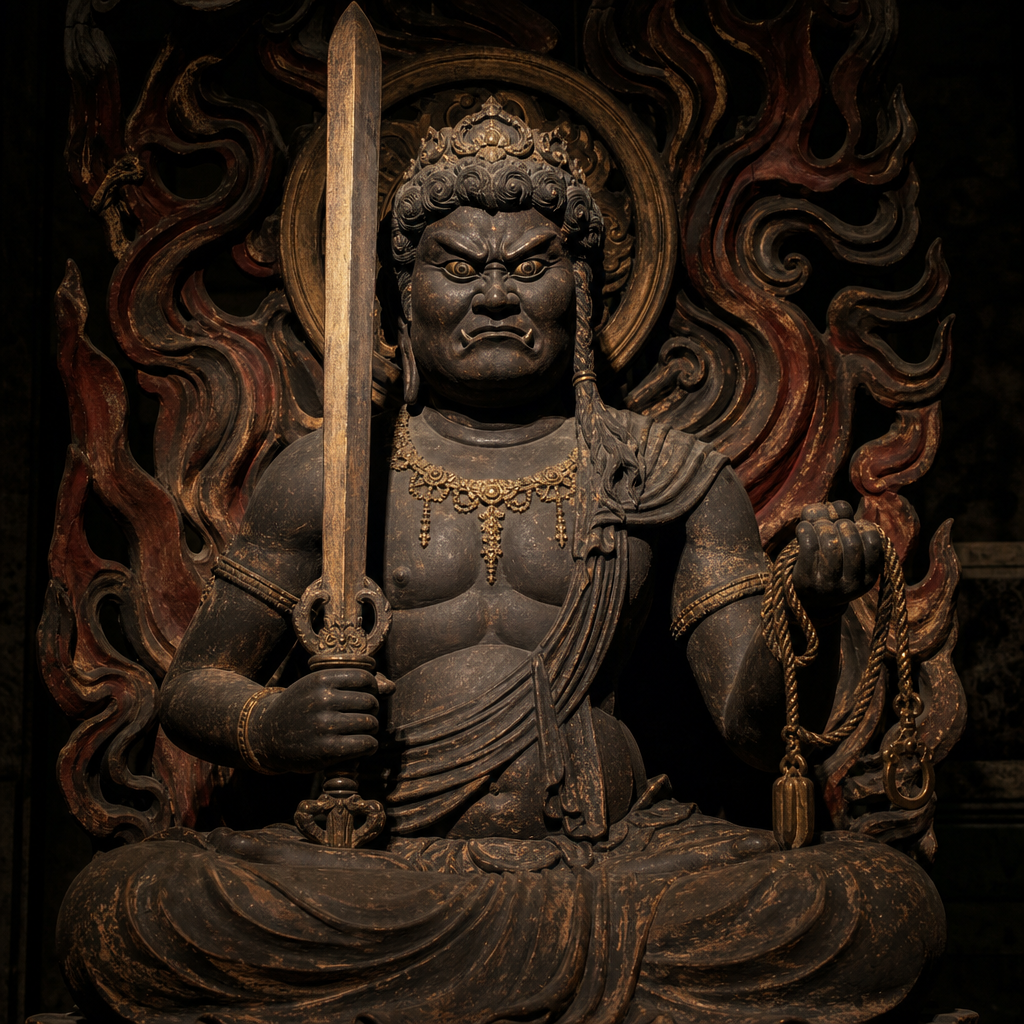
If you are collecting, decorating a home altar, or simply trying to understand what you are looking at, conflating a serene Nara-period Kannon with a fierce Kamakura-period Fudo Myo-o is a mistake that undercuts both the spiritual meaning and the cultural value of the work. This guide cuts through that confusion directly.
Table of Contents
Quick Takeaways
|
Key Insight |
Explanation |
|---|---|
|
Period determines style |
Nara-period statues are idealized and serene; Kamakura-period statues are anatomically realistic and emotionally intense. The gap between them is not subtle. |
|
Materials changed radically across eras |
Nara sculptors used dry lacquer and bronze; Heian craftsmen preferred hinoki cypress wood; Kamakura artists mastered joined woodblock construction (yosegi-zukuri) for lifelike detail. |
|
Hand gestures (mudras) carry precise doctrinal meaning |
A Dhyana mudra signals meditation; the Abhaya mudra signals protection. Buying a statue without understanding its mudra means missing its entire spiritual function. |
|
The Kamakura Buddha style reflects samurai-era values |
Military patronage during the Kamakura period (1185-1333) shifted sculpture away from courtly elegance toward physical strength, gravitas, and emotional directness. |
|
Japanese Buddhist sculpture absorbed Chinese and Korean influences selectively |
Early forms followed Tang Chinese models closely, but Japanese sculptors consistently adapted these into distinct national styles by the late Heian period. |
|
Denomination matters as much as period |
Pure Land Buddhism elevated Amida Buddha imagery; Zen downplayed elaborate iconography; Shingon esoteric Buddhism produced the most complex multi-figure mandalas in three-dimensional form. |
|
Authentic Japanese Buddhist sculpture is among the most collected Asian art globally |
According to the Agency for Cultural Affairs of Japan, over 900 individual Buddhist artworks hold National Treasure status, reflecting the depth and quality of this tradition. |
Why Japanese Buddhist Sculpture Is Unlike Any Other
Japanese Buddhist sculpture is not simply an offshoot of Chinese or Indian Buddhist art. It developed its own vocabulary over thirteen centuries, shaped by distinct religious sects, political patrons, and an unusually sophisticated native craft tradition. The result is a body of work that stands apart from the Gandharan stone reliefs of India, the gilded Theravada bronzes of Burma or Thailand, and even the Tang Dynasty bronzes of China that originally inspired it.
What makes Japanese Buddha statues particularly compelling for collectors and spiritual practitioners is the directness of their emotional communication. A Kamakura-era guardian figure does not invite quiet reflection. It commands attention. A Heian-period Amida descending on a cloud communicates welcome and mercy with almost architectural precision. These are not accidental effects. They are the result of deliberate iconographic programmes developed by temple priests and executed by sculptors who trained for decades within hereditary craft guilds.
Understanding the stylistic periods is not academic trivia. It directly affects what a statue means, how it functions in a devotional or decorative context, and what to look for when choosing one for a home altar or collection.
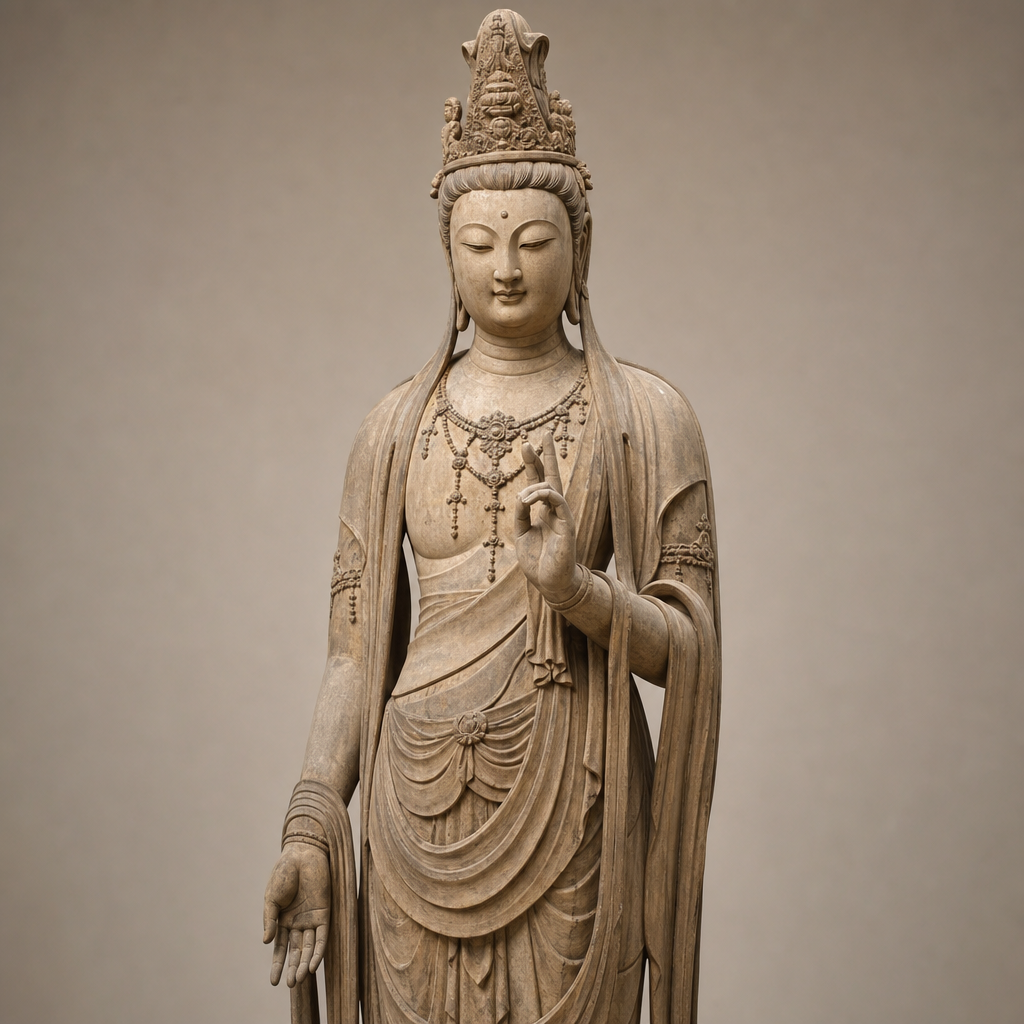
The Nara Period: Buddhism Arrives and Takes Hold
Buddhism reached Japan officially in 552 CE, when the Korean kingdom of Baekje sent Buddhist texts and images to the Yamato court. It took roughly another century before Japanese sculptors stopped copying imported models and began producing original work. The Nara period (710-794 CE) represents the first great flowering of indigenous Japanese Buddhist sculpture.
Materials and Techniques of the Nara Period
Nara-period sculptors worked primarily in three materials: dry lacquer (kanshitsu), clay, and bronze. Dry lacquer construction involved building up layers of lacquer-soaked fabric over a clay or wooden armature, then removing the core to leave a hollow, lightweight shell. The technique allowed extraordinary surface detail and was used for major temple icons including the famous Ashura figure at Kofukuji temple in Nara.
Bronze casting at this scale culminated in the Todaiji Daibutsu, the Great Buddha of Nara, completed in 752 CE. Originally standing over 15 metres tall and weighing approximately 500 tonnes, it remains one of the largest bronze statues ever cast. It is the benchmark against which Japanese monumental Buddhist sculpture is still measured.
Aesthetic Character of Nara Sculpture
Nara statues follow Tang Chinese models closely in their idealized, somewhat abstract beauty. Faces are smooth, symmetrical, and serene. Bodies are full and rounded beneath heavy robes with stylized, linear drapery folds. The overall effect is divine and remote rather than human and immediate. This is intentional: the Nara court was using Buddhism as an instrument of state authority, and the scale and formality of Nara sculpture reflects that political dimension as much as any spiritual one.
Pro tip: When evaluating a Nara-style Japanese Buddha statue, look at the drapery folds first. Authentic period-influenced work features rhythmic, wave-like folds called hompa-shiki, which were borrowed directly from Chinese Tang models. Modern reproductions that flatten these folds into uniform pleats are missing the defining characteristic of the period.
The Heian Period: Esoteric Buddhism and the Hidden Deity
The Heian period (794-1185 CE) brought the imperial court to Kyoto and a profound theological shift. Two new Buddhist sects, Tendai and Shingon, introduced esoteric doctrines from Tang China that transformed Japanese sculptural practice. The key concept was hibutsu, the idea that the most sacred images should be hidden from ordinary view, revealed only during rare festival openings. This did not reduce the importance of sculpture. It elevated it to the status of a living deity.
The Dominance of Wood in Heian Sculpture
Heian sculptors abandoned the dry lacquer and bronze techniques of the Nara period in favour of Japanese cypress (hinoki). Early Heian works are carved from a single block (ichiboku-zukuri), which gave them a massive, weighty presence. The surfaces were left relatively unadorned, with thick limbs, broad faces, and a brooding density that art historians call the mikkaebori or "three-day carving" aesthetic, though the term more accurately conveys a sense of rough, concentrated power than speed of execution.
By the late Heian period, the sculptor Jocho perfected the joined woodblock technique (yosegi-zukuri), in which multiple pieces of wood are assembled and carved together. This allowed larger, lighter, and more dynamically posed figures. Jocho's seated Amida at Byodoin temple, completed in 1053 CE, is the pivotal work of Heian sculpture and the model for countless later Amida images.
Esoteric Deities and Fierce Forms
Shingon Buddhism introduced a new category of deity to Japanese sculpture: the Myo-o, or Wisdom Kings, terrifying manifestations of cosmic buddhas whose ferocious appearance was understood as compassion in its most forceful form. Fudo Myo-o, seated on a rock surrounded by flames and holding a sword and rope, became one of the most frequently commissioned sculptures of the Heian and later periods. These figures represent the most dramatically non-serene end of the Japanese Buddhist sculptural tradition and are essential context for understanding the range of expressions collectors will encounter.
"The image is not a representation of the Buddha. It is the Buddha. The sculptor does not make a statue. The sculptor reveals a presence." - attributed to Unkei, master sculptor of the Kamakura period, as recorded in the Gukansho chronicle
The Kamakura Period: Realism, Power, and the Warrior Aesthetic
The Kamakura period (1185-1333 CE) is the most celebrated era of Japanese Buddhist sculpture for reasons that are easy to understand once you see the work. The military government based in Kamakura patronized a new generation of sculptors, led by Unkei and Kaikei, who broke decisively with Heian elegance and produced figures of startling physical reality.
What Defines the Kamakura Buddha Style
The Kamakura Buddha style is characterised by three features that distinguish it immediately from earlier Japanese work. First, anatomical realism: muscles, tendons, and facial expressions are rendered with a specificity that approaches portraiture. Second, inlaid crystal eyes (gyokugan), introduced during this period to create a living gaze in wooden sculptures. Third, an emphasis on vigour and tension rather than repose. Even seated figures project a sense of coiled energy.
The outdoor bronze Kotoku-in Daibutsu at Kamakura, cast around 1252 CE, is the most internationally recognised example of the period. Originally housed in a wooden temple that was destroyed by a tsunami in 1498, the statue has sat in the open air ever since. Its combination of monumental scale and meditative composure captures the particular quality of Kamakura-period spirituality: powerful but turned entirely inward.
Unkei and the Transformation of Japanese Sculpture
Unkei (died 1223 CE) is the most important single figure in the history of Japanese Buddhist sculpture. His guardian figures (Nio) for the Great South Gate of Todaiji temple in Nara, completed in 1203 CE, stand over 8 metres tall and are considered the supreme expression of Kamakura realism. The veins on their forearms are individually carved. Their mouths are open and closed in the traditional Agyo-Ungyo pair, symbolizing the beginning and end of all things. Unkei's workshop style, combining extreme physical detail with psychological intensity, defined Japanese Buddhist sculptural practice for the following two centuries.
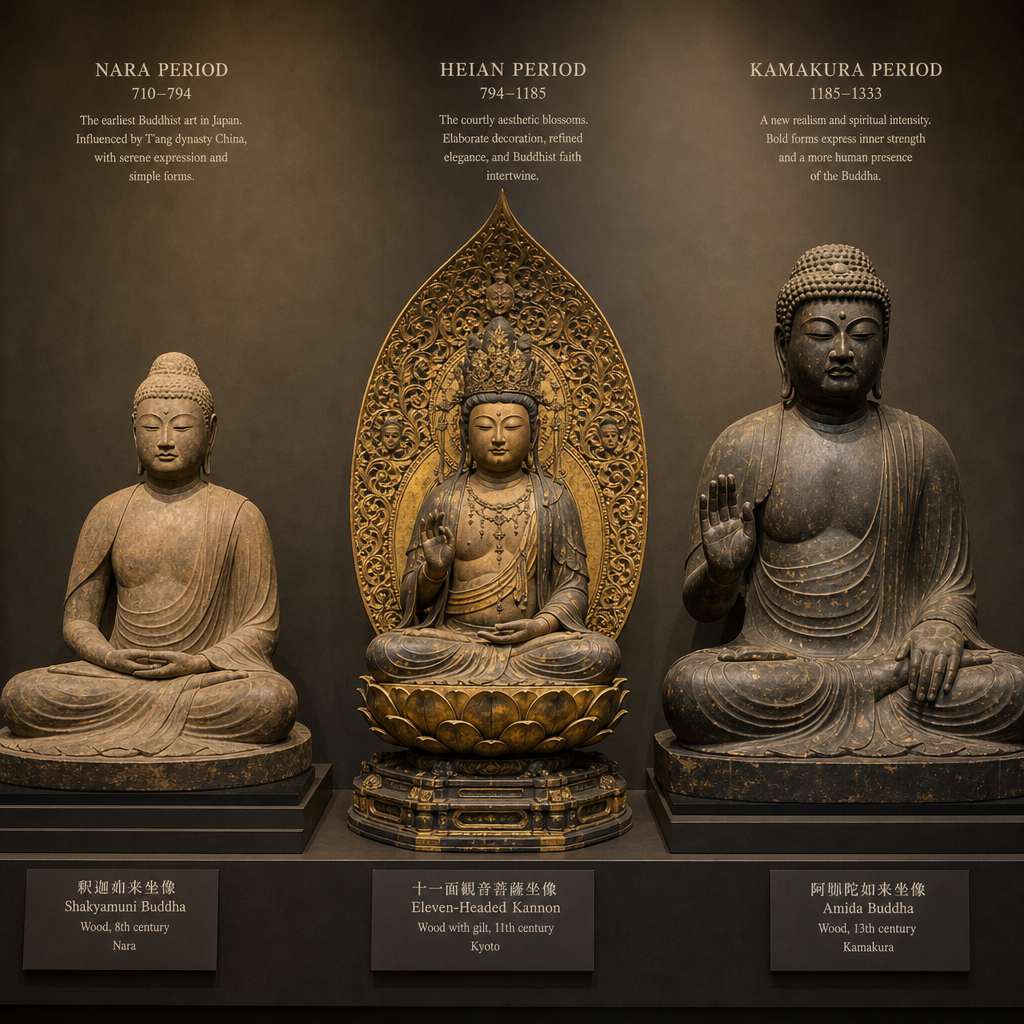
Pro tip: When buying a Kamakura-style Japanese Buddha statue, examine the eyes. Authentic period-influenced pieces use inlaid glass or crystal to replicate the gyokugan technique. Mass-produced modern versions paint the eyes directly onto the wood or bronze surface, which eliminates the defining sense of living presence that makes Kamakura sculpture distinctive.
Style Comparison: Nara, Heian, and Kamakura
Collectors and spiritual practitioners regularly ask which period best suits their needs. The honest answer depends on the deity, the context, and what the statue is meant to do in a space or practice. The table below makes the core differences concrete.
|
Feature |
Nara Period (710-794 CE) |
Heian Period (794-1185 CE) |
Kamakura Period (1185-1333 CE) |
|---|---|---|---|
|
Primary material |
Bronze, dry lacquer, clay |
Japanese cypress wood (hinoki) |
Joined woodblock, bronze, lacquer |
|
Aesthetic quality |
Idealized, remote, formally serene |
Dense, weighty, spiritually intense |
Realistic, vigorous, emotionally direct |
|
Signature technique |
Hompa-shiki wave drapery folds |
Yosegi-zukuri joined woodblock (late Heian) |
Gyokugan crystal inlaid eyes |
|
Theological context |
State Buddhism, court authority |
Esoteric Tendai and Shingon sects |
Pure Land, Zen, warrior patronage |
|
Emotional register |
Cosmic calm, divine distance |
Hidden power, esoteric mystery |
Human scale, psychological presence |
|
Best suited for |
Formal altar settings, monumental display |
Meditation spaces, esoteric practice |
Collectors seeking realism, martial energy |
Spiritual Meanings Behind the Iconography
Every element of a Japanese Buddha statue is a doctrinal statement. The seated position (asana), the hand gestures (mudras), the halo form (nimbus), the throne type, and even the direction of the gaze all carry meanings developed over centuries of Buddhist theological commentary. A common mistake among first-time buyers is treating these elements as purely decorative choices. They are not.
The Major Mudras in Japanese Buddhist Sculpture
The Dhyana mudra (hands resting in the lap, right over left) is associated with meditation and is found most frequently on Amida and Shakyamuni figures. The Vitarka mudra (right hand raised, fingers forming a circle) indicates teaching and is common on bodhisattva figures. The Abhaya mudra (right hand raised with palm outward) signals protection and fearlessness. The Bhumisparsha mudra (right hand reaching down to touch the earth) commemorates the Buddha's enlightenment moment and is virtually exclusive to Shakyamuni in Japanese iconography.
Amida, Shakyamuni, and Vairocana: The Three Most Common Japanese Buddha Types
Amida Buddha (Sanskrit: Amitabha) is the most frequently depicted buddha in Japanese art, particularly from the Heian period onward. He presides over the Western Pure Land and is the central object of Pure Land Buddhist devotion. His hands typically form the raigo-in mudra, unique to Japanese iconography, in which both hands make circles with the thumb and forefinger to signal the welcoming of souls at the moment of death.
Shakyamuni is the historical Buddha, Siddhartha Gautama, and is typically depicted in the Bhumisparsha or Dhyana mudra. Vairocana is the cosmic, transcendent Buddha of Shingon and Tendai esoteric Buddhism, often depicted with the Dharmachakra mudra (hands forming a wheel gesture) and associated with the Nara Daibutsu.
Understanding which Buddha a statue depicts is not optional for serious collectors. It determines the statue's doctrinal function, the sect it belonged to, and often the period in which it was likely made.
Choosing the Right Japanese Buddha Statue for Your Space
The practical question that follows all of this history is straightforward: which statue belongs in your space? The answer depends on three factors that most guides skip over, but that experienced collectors and practitioners understand immediately.
Matching Period Style to Spiritual Practice
If you maintain a Pure Land Buddhist practice or simply want a figure that radiates accessible, welcoming compassion, a Heian or Kamakura-period Amida figure in the raigo-in mudra is the clear choice. The Heian version will have more spiritual density and formal gravity. The Kamakura version will have more psychological immediacy and physical presence.
If your practice involves Zen, a simpler, less ornamented Shakyamuni in Dhyana mudra is more consistent with Zen's rejection of elaborate iconography. Zen sculpture tends to be restrained and direct, which aligns with the tradition's distrust of doctrinal complexity.
Scale, Placement, and the Logic of the Japanese Altar
Traditional Japanese Buddhist home altars (butsudan) follow precise spatial conventions. The central buddha image is flanked by bodhisattvas, then by guardian figures at the outer edges. If you are building a home altar inspired by Japanese practice, the central figure should be your primary devotional focus, whether Amida, Shakyamuni, or Kannon, and guardian figures like Fudo Myo-o should be placed at the margins, not the centre.
Scale matters more than most buyers anticipate. A 30cm seated Amida in a Heian style reads as meditative and intimate. A 60cm Kamakura-style guardian reads as commanding and protective. These are not interchangeable effects, and choosing the wrong scale for the space consistently produces results that feel wrong even when the buyer cannot immediately articulate why.
At HD Asian Art, the collection of Japanese Buddha statues and related Asian Buddhist sculpture is sourced with exactly these distinctions in mind, offering pieces that reflect specific periods, iconographic programmes, and spiritual functions rather than generic decorative items. That specificity is what separates a meaningful acquisition from a shelf ornament.
Frequently Asked Questions
What is the difference between a Nara-period and a Kamakura-period Japanese Buddha statue?
Nara-period statues are formally idealized, with smooth surfaces, stylized drapery folds, and a sense of cosmic distance. They follow Tang Chinese aesthetic models closely and were made primarily in bronze and dry lacquer. Kamakura-period statues are anatomically realistic, emotionally intense, and made using the yosegi-zukuri joined woodblock technique with crystal inlaid eyes. The 400 years between the two periods produced radically different sculptural priorities.
What does the mudra on a Japanese Buddha statue mean?
Each mudra is a doctrinal statement. The Dhyana mudra signals meditation; the Abhaya mudra signals protection; the Bhumisparsha mudra commemorates enlightenment; and the raigo-in mudra unique to Japanese Amida figures signals the welcoming of souls to the Pure Land. Buying a statue without identifying its mudra means missing the central meaning the sculptor encoded into the work.
Which Japanese Buddha statue is best for a home altar?
For a Pure Land-oriented altar, a seated Amida in raigo-in or Dhyana mudra is the standard choice. For a Zen-influenced space, a simple Shakyamuni in Dhyana mudra is more appropriate. For esoteric practice, a Fudo Myo-o or a Kannon with multiple arms reflects Shingon or Tendai iconography. The denomination and practice should drive the choice, not aesthetic preference alone.
How can I tell if a Japanese Buddha statue is high quality?
Look at three things: the quality of the mudra execution (are the finger positions anatomically coherent and doctrinally accurate?), the treatment of the eyes (inlaid versus painted reflects very different levels of craft), and the handling of drapery folds (are they rhythmically consistent with the period style claimed, or generically simplified?). A reputable specialist retailer will be able to identify the period influence and iconographic programme of every statue they sell.
Is the Great Buddha of Kamakura (Kotoku-in Daibutsu) an Amida or Shakyamuni statue?
The Kotoku-in Daibutsu at Kamakura is an Amida Buddha, not Shakyamuni. This is a frequent point of confusion. The Dhyana mudra it displays is shared by both figures, but historical records, the Jodo Pure Land sect affiliation of the temple, and the proportions of the figure all confirm its identity as Amida. This distinction matters because it situates the statue within Pure Land devotional practice, not the historical Buddha narrative.
Why do some Japanese Buddha statues look fierce rather than serene?
Fierce-looking figures belong to the Myo-o category of Wisdom Kings, introduced through Shingon esoteric Buddhism during the Heian period. Figures like Fudo Myo-o, Acala in Sanskrit, are not separate deities but fierce manifestations of cosmic buddhas. Their terrifying appearance is a symbol of compassion powerful enough to destroy obstacles to enlightenment. They are among the most theologically sophisticated figures in Japanese Buddhist sculpture and among the most visually striking works available to collectors.
How does Japanese Buddhist sculpture differ from Thai or Burmese Buddha statues?
Thai and Burmese statues follow Theravada iconographic conventions, which are more restricted in the range of figures depicted (predominantly Shakyamuni) and favour elongated proportions, flame ushnisha crowns, and gilt bronze or lacquered finishes. Japanese Mahayana and Esoteric Buddhist sculpture encompasses a vastly wider range of deities, more varied materials, and a stylistic evolution tied to specific historical periods and religious sects that have no direct equivalent in Theravada traditions.
If you collect or work with Japanese Buddhist sculpture, we would genuinely like to hear which period resonates most with your practice or aesthetic sensibility, and whether period distinctions influenced your most recent acquisition.
References
