



Die Rolle handgefertigter Skulpturen bei der Schaffung eines gefühlvollen Interieurs
Die Rolle handgefertigter Skulpturen bei der Schaffung eines gefühlvollen Interieurs
Authentifizierte asiatische buddhistische und hinduistische Skulpturen fungieren als spirituelle Anker, narrative Brennpunkte und Objekte langfristiger Verwaltung – nicht als dekorative Accessoires. Ein bronzener kambodschanischer Avalokiteshvara oder ein steinerner javanischer Ganesha tragen eine Ritualgeschichte, eine ikonografische Bedeutung und ein materielles Alter in sich, die kein zeitgenössisches Dekorationsobjekt reproduzieren kann.
- Der kulturelle und rituelle Kontext ist für die Platzierung von Bedeutung. Regionale Herkunft – Kambodscha, Thailand, Indonesien, Sri Lanka, Vietnam – bestimmt die ikonografische Bedeutung, die angemessene Ausrichtung und die spirituelle Bedeutung, die ein Stück einem Raum verleiht.
- Signale in Museumsqualität bewahren Wert und Authentizität. Dokumentierte Herkunft, Zustandsberichte und Expertenfotos (wie bereitgestellt von HDAsianArt) sind die wichtigsten Marker, auf die sich Sammler und Institutionen verlassen.
- Die richtige Präsentation und der ethische Umgang verwandeln ein Objekt in eine gefühlvolle Präsenz. Versicherter DHL-Versand, korrekte Klimatisierung und ein respektvoller kultureller Kontext runden die Pflegekette ab.
Inhaltsverzeichnis
Warum verleihen authentische Tempelskulpturen einem Innenraum eine „Seele“?
Authentische Skulpturen bringen Ritualgeschichte, ikonografische Bedeutung und ein taktiles Zeitalter mit sich, das moderne Dekorationsobjekte nicht nachbilden können. Ein Stück, das Jahrhunderte in einem Khmer-Tempel oder einem javanischen Schrein verbracht hat, trägt eine Materialbiografie – Werkzeugspuren, Patina und Abnutzungsmuster – in sich, die dem Betrachter ohne Erklärung direkt mitteilt.
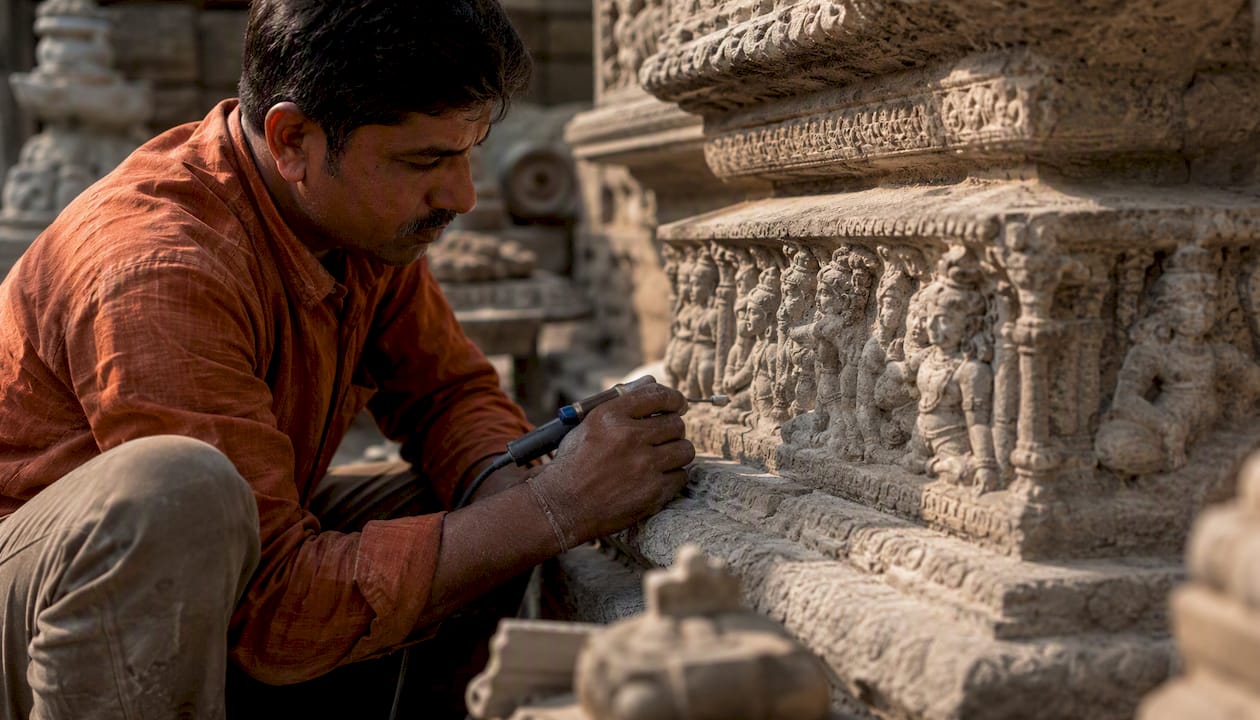
Regionale Herkunft prägt Bedeutung und Platzierung. Ein thailändischer Bronze-Buddha in der Bhumisparsha-Mudra (Erdberührungsgeste) signalisiert den Moment der Erleuchtung; Wenn Sie es auf Augenhöhe in einer Meditationsecke platzieren, wird diese Bedeutung noch verstärkt. Ein stehender Bodhisattva aus Sri Lanka liest in einem formellen Empfangssaal anders als ein kambodschanischer Vishnu in einer Bibliothek. Indonesien, Vietnam und Kambodscha jedes erzeugte ein eigenes visuelles Vokabular und Verständnis dieser regionalen Unterschiede ist der erste Schritt zur gezielten Platzierung.
Materielle Präsenz ist wichtig. Bronzepatina, handbearbeitete Steinoberflächen und lackiertes Holz bilden einen taktilen Kontrapunkt zum zeitgenössischen Minimalismus. Designprofis empfehlen ein Verhältnis von etwa 80/20 von zeitgenössischen zu traditionellen Gegenständen – ein oder zwei Heldenstücke statt einer überfüllten Ausstellung – damit die Skulptur Aufmerksamkeit erregt, ohne einen überladenen Effekt zu erzeugen.
Marktsignale bestätigen den Investitionsfall. Steigende Auktionspreise und eine erhöhte Sichtbarkeit seltener asiatischer Skulpturen spiegeln die wachsende Nachfrage von Sammlern nach authentifizierten, gut dokumentierten Stücken wider. Herkunft und Zustand wirken sich direkt auf den Wiederverkaufswert aus, wodurch die Verwaltung sowohl eine finanzielle als auch eine ästhetische Überlegung ist.
Wie liest man Ikonographie und Mudras, bevor man ein Stück platziert?
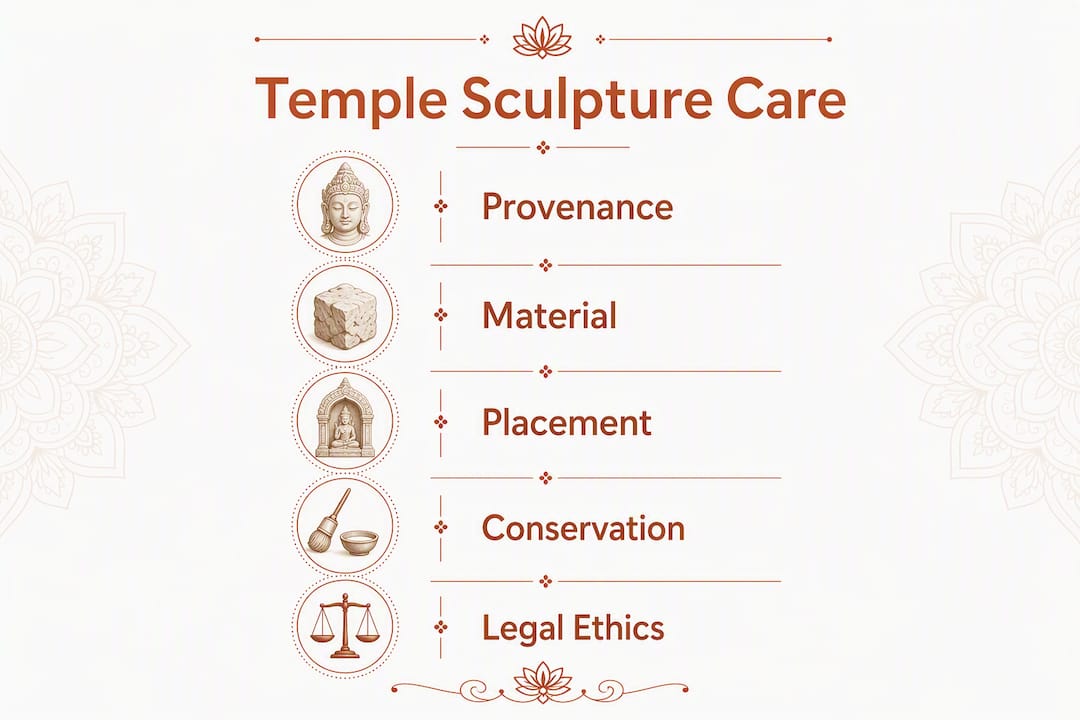
Kuratorische Experten betonen, dass das Erlernen der ikonografischen Bedeutung ein dekoratives Objekt in einen bedeutungsvollen Anker verwandelt. Drei Hinweise zum sofortigen Lesen: Mudra (Handbewegung), Attribut (gehaltenes Objekt oder Symbol) und Haltung (sitzend, stehend, liegend).
Mudra-Grundierung
- Bhumisparsha (rechte Hand berührt den Boden): der Moment der Erleuchtung Buddhas – geeignet für Meditationsräume und Lernräume.
- Vitarka (erhobene Hand, ausgestreckte Finger): Lehrgeste – geeignet für Bibliotheken, Beratungsräume oder Eingangsbereiche.
- Dhyana (beide Hände ruhen im Schoß): tiefe Meditation – Zufluchtsorte im Schlafzimmer und ruhige Ecken.
Attribute und Begleiter
Objekte identifizieren die Gottheit und legen eine Platzierungslogik nahe. Ein Lotus signalisiert Reinheit und ist in Bodhisattva-Bildern weit verbreitet. ein Vajra (Donnerkeil) markiert Vajrapani oder tantrische Figuren; Ein Rad (Dharmachakra) weist auf die erste Lehre Buddhas hin. Ganeshas abgebrochener Stoßzahn und Elefantenkopf sind unverkennbar, aber die Anzahl der Arme und die Gegenstände, die jede Hand hält, geben an, welche ikonografische Form und welche rituelle Funktion das Stück erfüllte.
Regionale Stilelemente
- Javanisch (Indonesien): raffinierte Gesichtszüge, kunstvoller Kopfschmuck, dichte Blatthintergründe – Sehen Sie sich die vollständige regionale Aufschlüsselung an.
- Thailändisch: flammenförmige Ushnisha, verlängerte Finger, vergoldete oder lackierte Bronzeoberflächen.
- Kambodschanisch (Khmer): Sandstein oder Bronze, heiterer Ausdruck, zylindrische Krone, minimalistischer Schmuck.
- Sri Lanka: abgerundete Gesichtszüge, transparente Gewandfalten, oft vergoldet.
- Vietnamesisch: starker chinesischer Stileinfluss, mehrarmige Quan-Am-Figuren, lackiertes Holz üblich – Hier werden vietnamesische Traditionen erklärt.
Profi-Tipp: Legen Sie eine kleine, gedruckte Provenienzkarte neben das Stück – Objekttyp, Region, ungefähres Datum und einen Satz zur ikonografischen Bedeutung. Besucher und Haushaltsmitglieder engagieren sich viel intensiver, wenn die Identität des Objekts benannt wird.
Wie wählt man in den USA ein Stück in Museumsqualität aus?
Priorisieren Sie Herkunft und Zustand vor dem Preis. Als nächstes kommen Material und regionale Passform.
Checkliste für den Kauf
- Fordern Sie eine vollständige Herkunftsdokumentation an – frühere Besitzgeschichte, Exportpapiere aus dem Herkunftsland und Importaufzeichnungen in die USA.
- Zustandsberichte prüfen — Fordern Sie schriftliche Notizen zu Reparaturen, Verlusten und Stabilisierungsarbeiten sowie datierte Fotos an.
- Bewerten Sie die Authentizität des Materials — Im Wachsausschmelzverfahren gegossene Bronzestücke weisen eine charakteristische Oberflächenstruktur und Gussnähte auf; Steinstücke weisen Werkzeugmarkierungsmuster auf, die mit regionalen Werkstatttraditionen übereinstimmen.
- Suchen Sie nach Altersindikatoren — Natürliche Patina auf Bronze (grüne, braune oder schwarze Oxidation), Mineralablagerungen auf dem Stein und ständige Abnutzung an den Kontaktstellen unterstützen die Authentizität.
- Identifizieren Sie bedingte Warnsignale – frische Werkzeuge auf vermeintlich alten Oberflächen, nicht übereinstimmende Ersatzteile, inkonsistente Patina an den Verbindungsstellen und vage oder nicht dokumentierte Herkunftsangaben.
- Bestätigen Sie die Expertenzuordnung – Galerien wie HDAsianArt bieten individuelle Forschungsnotizen, Nahaufnahmen von Verbindungen und Werkzeugmarkierungen sowie verfasste Zustandsberichte.
- Vereinbaren Sie einen versicherten Versand — Für US-Käufer schützt der versicherte weltweite DHL-Versand mit ordnungsgemäßer Zolldokumentation sowohl das Objekt als auch die Rechtsstellung des Käufers.
Für die Besonderheiten des Steinmaterials gilt: HDAsianArt-Sammlerführer zu Steinarten deckt regionale Sandstein-, Granit- und Schiefersorten mit Hinweisen zur Erhaltung ab.
Wie sollten Tempelskulpturen in US-amerikanischen Häusern ausgestellt und aufbewahrt werden?
Die richtige Präsentation bringt Sichtbarkeit, Sicherheit und Erhaltung in Einklang. Ein falsch ausgestelltes Stück verliert sowohl seine körperliche Unversehrtheit als auch seine spirituelle Präsenz.
Klima- und Umweltbereiche
| Material | Relative Luftfeuchtigkeit | Temperatur |
|---|---|---|
| Bronze | 40% | 60–72°F |
| Stein | 45–55% | 60–72°F |
| Holz / Lack | 45–55% | 60–72°F |
Schwankungen außerhalb dieser Bereiche beschleunigen die Korrosion auf Bronze, reißen Stein und verziehen oder delaminieren lackierte Holzoberflächen.
Richtlinien anzeigen
- Maßstab und Sichtlinien: Ein Heldenstück sollte an einer Wand oder Ecke stehen, wo es aus einer natürlichen Steh- oder Sitzposition ohne Behinderung betrachtet werden kann.
- Negativraum: Lassen Sie um das Stück herum Freiraum, damit das Auge darauf ruht, anstatt ein überfülltes Regal abzusuchen.
- Beleuchtung: Die gerichtete LED mit geringer Wärmeentwicklung bei 30–45 Grad von oben zeigt die Oberflächenstruktur ohne UV-Schäden.
- Montage: Verwenden Sie Ausstellungssockel in Museumsqualität, erdbebensichere Anker für Steinstücke und diebstahlsichere Hardware für hochwertige Bronzen.
- Spirituelle Platzierung: Ausrichtung der Buddha-Statue und die Erdtonpalette Führer von HDAsianArt bieten raumspezifische Empfehlungen.
Profi-Tipp: Fotografieren Sie das Teil aus vier Blickwinkeln, wenn es ankommt, notieren Sie alle bereits bestehenden Zustandsprobleme schriftlich und bewahren Sie diese Aufzeichnungen zusammen mit Ihren Versicherungsunterlagen auf. Diese Beitrittsakte ist das, was ein Restaurator oder Versicherer zuerst anfordern wird.
Für die Platzierung im Schlafzimmer ist die HDAsianArt-Leitfaden für Schlafzimmer-Zufluchtsorte behandelt Maßstab, Mudra-Auswahl und Ausrichtung im Detail.
Welche rechtlichen und ethischen Pflichten haben US-Käufer?
Überprüfen Sie vor dem Kauf immer den eindeutigen Rechtstitel und die dokumentierte Export-/Importhistorie. US-Recht, einschließlich der Nationales Gesetz über gestohlenes Eigentum und bilaterale Vereinbarungen über Kulturgüter legen dem Käufer die Verantwortung für die Durchführung einer Due-Diligence-Prüfung auf.
Tun Sie Folgendes:
- Akzeptieren Sie nur Stücke mit dokumentierter Exportgenehmigung des Herkunftslandes und US-Importaufzeichnungen.
- Fordern Sie gemäß üblicher Museumspraxis eine schriftliche Provenienzgeschichte an, die mindestens die letzten 25 Jahre abdeckt.
- Konsultieren Sie die US-Zoll- und Grenzschutz Kulturgutressourcen vor dem Import hochwertiger Objekte.
- Wenden Sie sich für eine unabhängige Überprüfung wichtiger Einkäufe an einen Museumsregistrator oder einen akkreditierten Restaurator.
Nicht:
- Akzeptieren Sie unbestätigte Herkunftsangaben („angeblich von“) Kambodscha“) ohne unterstützenden Papierkram.
- Kaufen Sie Stücke mit offensichtlichen Lücken in der Besitzgeschichte zwischen ihrem Herkunftsland und dem jetzigen Verkäufer.
Zur kulturellen Sensibilität: Der Erwerb eines authentifizierten Stücks mit vollständiger Dokumentation ist keine Aneignung. Aneignung liegt vor, wenn rituelle Gegenstände ohne Zustimmung oder Kontext aus der aktiven kulturellen Nutzung entfernt werden. Die Präsentation einer dokumentierten Tempelskulptur mit klarer Kennzeichnung ihrer ikonografischen und regionalen Identität respektiert die Herkunft des Objekts.
HDAsianArt-Beispiele: Wie dokumentierte Stücke gefühlvolle Innenräume schaffen
Kuratierte, dokumentierte Stücke verändern kontinuierlich die Atmosphäre eines Raums, wenn Platzierung, Herkunft und Konservierung bewusst gehandhabt werden.
Wohnzimmer-Heldenstück: Ein kambodschanischer Bronze-Avalokiteshvara im Stil des 12. Jahrhunderts, der mit vollständiger Herkunftsdokumentation beschafft und vom Forschungsteam von HDAsianArt fotografiert wurde, auf einem niedrigen Sockel aus Teakholz vor einer weißen Gipswand platziert. Die grünbraune Patina des Stücks verankert einen neutralen, modernen Raum, ohne mit den Möbeln zu konkurrieren. Zustandsbericht liegt vor; Versicherter DHL-Versand bestätigt.
Zufluchtsort im Schlafzimmer: Ein sitzender thailändischer Bronze-Buddha in Dhyana-Mudra, ca. 30 cm, auf Augenhöhe auf einem speziellen Regal mit gerichteter LED-Beleuchtung positioniert. Die Platzierungsrichtlinien für Schlafräume empfehlen dieses Mudra speziell für Ruheräume. Provenienzhinweise bestätigen die Sammlungsgeschichte vor 1970.
Museumsvignette: Ein javanischer Stein-Ganesha, individuell recherchiert und beschrieben von James bei HDAsianArt, ausgestellt in einer Museumsnische mit einer gedruckten ikonografischen Bildunterschrift. Die Bildunterschrift identifiziert den zerbrochenen Stoßzahn, die Modaka-Süßigkeit in einer Hand und den regionalen javanischen Werkstattstil, der ein Ausstellungsobjekt in einen pädagogischen Anker verwandelt.
Wichtige Erkenntnisse
Authentifizierte asiatische buddhistische und hinduistische Skulpturen schaffen gefühlvolle Innenräume durch dokumentierte Herkunft, ikonografisches Wissen, korrekte Ausstellungsbedingungen und ethische Verantwortung – nicht nur durch Dekoration.
| Punkt | Details |
|---|---|
| Provenienz zuerst | Fordern Sie vor dem Kauf immer Exportpapiere, Eigentumshistorie und einen schriftlichen Zustandsbericht an. |
| Lesen Sie die Ikonographie | Identifizieren Sie Mudra, Attribut und regionalen Stil, bevor Sie ein Stück platzieren – die Bedeutung bestimmt die richtige Ausrichtung und den richtigen Kontext. |
| Kontrollieren Sie die Umgebung | Halten Sie Bronze, Stein und Holz innerhalb der empfohlenen Luftfeuchtigkeits- und Temperaturbereiche, um irreversible Schäden zu vermeiden. |
| Ein oder zwei Heldenstücke | Durch das Verhältnis von Zeitgenössischem zu Traditionellem von 80/20 bleibt die Skulptur ein zentraler Punkt und nicht Teil einer überfüllten Ausstellung. |
| HDAsianArt für authentifizierte Stücke | HDAsianArt bietet individuelle Recherche, fachmännische Fotografie, Zustandsberichte und versicherten DHL-Versand für buddhistische und hinduistische Skulpturen in Museumsqualität. |
Ein Hinweis zur Verantwortung von HDAsianArt
Die Stücke, die die beständigsten Innenräume schaffen, sind diejenigen, die mit intakter Identität ankommen. Bei HDAsianArt wird jedes Objekt der Sammlung einzeln recherchiert, detailliert fotografiert und mit seiner regionalen Herkunft, ikonografischen Markierungen und Zustandshinweisen beschrieben, bevor es aufgeführt wird. Dieser Vorgang ist keine Formalität – er macht den Unterschied zwischen einem Objekt, das in einem Raum steht, und einem Objekt aus, das ihn verankert.
Sammler und Designer, die ein bestimmtes Stück besprechen, zusätzliche Herkunftsdokumente anfordern oder Hinweise zur Platzierung erhalten möchten, können sich gerne direkt über die Galerie an uns wenden.
HDAsianArt: authentifizierte buddhistische und hinduistische Skulpturen, weltweit versendet
HDAsianArt beschafft, dokumentiert und versendet authentifizierte asiatische buddhistische und hinduistische Skulpturen in Museumsqualität direkt an Sammler, Institutionen und Designer in den Vereinigten Staaten und weltweit.
Zu jedem Angebot gehören fachkundige Recherchen und Fotografien von James, ein schriftlicher Zustandsbericht, eine vollständige Herkunftsdokumentation und ein versicherter weltweiter DHL-Versand. Käufer erhalten die vollständige Dokumentation, die ein Museumsregistrator oder Versicherungsversicherer benötigen würde. Zwei aktuelle Beispiele aus der Galerie: a sitzender predigender Buddha aus javanischer Bronze mit dokumentierter Provenienz und einem Indonesischer Avalokiteshvara Bodhisattva mit vollständigen Zustandshinweisen. Durchsuchen Sie die gesamte Sammlung oder kontaktieren Sie die Galerie unter hdasianart.com, um Einzelheiten zur Provenienz oder eine Beratung anzufordern.
Nützliche Quellen für Einkäufer und Designer
- HDAsianArt – Buddhistische Statuen und hinduistische Skulpturen: Galerielisten mit Herkunftsdokumentation, Zustandsberichten und versichertem Versand.
- HDAsianArt – Dramatische asiatische Skulpturenvignetten: Zehn dokumentierte Beispiele für die Platzierung und Atmosphäre von Skulpturen.
- HDAsianArt – Steinarten in der asiatischen Skulptur: Materialspezifischer Leitfaden zur Konservierung und Identifizierung.
Bei hochwertigen Anschaffungen konsultieren Sie einen Museumsregistrator oder einen akkreditierten Restaurator des American Institute for Conservation (AIC), bevor Sie den Kauf oder die Installation abschließen.
Empfohlen
- Warum asiatische Skulptur Ihrem Raum spirituelle Energie verleiht – HD Asian Art
- Erdtöne in der asiatischen Skulptur: Leitfaden für Innenarchitektur – HD Asian Art
- Asiatische Skulpturen für ein Schlafzimmer: Leitfaden 2026 – HD Asian Art
- Die meditierende Hevajra-Skulptur: Symbolik und Bedeutung in Buddhi – HD Asian Art
