



Arten des asiatischen Tempelbronzegusses: Ein Leitfaden für Gelehrte
Arten des asiatischen Tempelbronzegusses: Ein Leitfaden für Gelehrte
Der Bronzeguss für asiatische Tempel wird durch drei Haupttechniken definiert: Wachsausschmelzguss, Stückguss und die Dhokra-Methode, bei denen jeweils unterschiedliche Ritualobjekte mit spezifischen Legierungszusammensetzungen hergestellt werden, die für ihre heilige Funktion geeignet sind. Diese Methoden sind nicht austauschbar.
Die Arten des asiatischen Tempelbronzegusses variieren je nach Region, religiöser Tradition und der beabsichtigten Rolle der Ikone innerhalb oder außerhalb des Tempels. Das Verständnis dieser Unterschiede trennt eine oberflächliche Würdigung von Bronzestatuen von einem echten Verständnis ihrer kulturellen und metallurgischen Tiefe. Die Südostasiatische Bronzetradition umfasst Jahrtausende technischer Verfeinerung Kambodscha, Thailand, Indien, China, und Indonesien.
1. Arten des asiatischen Tempelbronzegusses: ein Überblick über die Kernmethoden
Die drei vorherrschenden Gussmethoden in der asiatischen Tempelbronzekunst sind Wachsausschmelzverfahren (cire perdue), Stückguss und Dhokra. Wachsausschmelzverfahren und Stückguss repräsentieren die beiden wichtigsten technischen Traditionen, wobei das Wachsausschmelzverfahren die südostasiatischen religiösen Statuen dominiert und die Stückform die antiken chinesischen Zeremoniengefäße kennzeichnet. Dhokra ist eine Stammesvariante des Wachsausschmelzens, die von Adivasi-Gemeinschaften in praktiziert wird Indien, Erzeugen einer visuell unterschiedlichen Klasse von Objekten. Jede Methode hat ihre eigene Legierungslogik, Oberflächenqualität und rituelle Anwendung.
Ein zweites Ordnungsprinzip betrifft alle drei Methoden: ob das Endobjekt massiv oder hohl ist. Diese Unterscheidung bestimmt sowohl die liturgische Rolle der Ikone als auch ihre physische Form. Solide Ikonen verankern häusliche Heiligtümer. Hohle Ikonen reisen in Prozessionen und tragen rituelle Ablagerungen in ihren Körpern.
2. Wachsausschmelzverfahren: Verfahren, Variationen und kulturelle Bedeutung
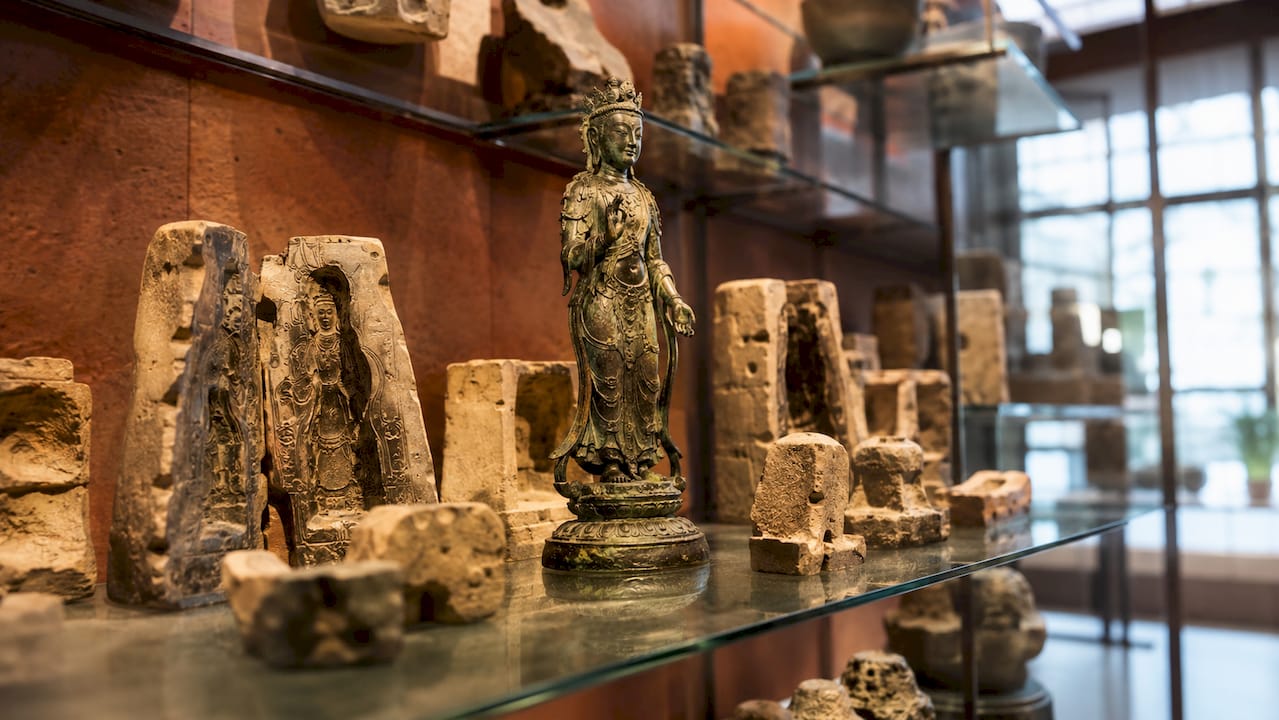
Der Wachsausschmelzguss ist die bestimmende Technik für die meisten süd- und südostasiatischen Tempelbronzen. Der Prozess besteht aus fünf Schritten: Formen eines Wachsmodells, Einbetten in Toneinbettung, Ausbrennen des Wachses, Gießen von geschmolzenem Metall und Zerbrechen der Form, um den Guss freizulegen. Jeder Schritt erfordert Präzision und kein Gussstück gleicht dem anderen, da dabei die Form zerstört wird.
Die berühmteste Anwendung ist die Chola-Bronze-Tradition von Tamil Nadu. Erbliche Kunsthandwerker in Swamimalai und Kumbakonam folgen kanonischen Proportionen, die aus Shilpashastra-Texten stammen, und stellen Ikonen von Shiva, Vishnu und ihren Gefährten mit anatomischer Genauigkeit her. Die Chola-Bronzelegierung ca. 84 % Kupfer, 14 % Zink und 2 % Zinn, manchmal ergänzt mit Gold oder Silber für rituelle Glücksverheißungen. Diese Formel ist als Pañcaloha bekannt, eine Fünf-Metall-Legierung, die aufgrund ihrer Resonanz- und Weihungseigenschaften und nicht aufgrund rein mechanischer Eigenschaften ausgewählt wurde.
Buddhistische Ikonen aus dem Himalaya folgen der gleichen Wachsausschmelzlogik, verwenden jedoch unterschiedliche Legierungsverhältnisse und ikonometrische Kanons, die aus tibetischen und nepalesischen Traditionen stammen. Diese Stücke werden nach dem Guss oft vergoldet, was ihnen eine visuelle und symbolische Fülle verleiht.
Profi-Tipp: Achten Sie bei der Untersuchung einer Wachsausschmelzbronze auf die Oberflächendetails in Haaren, Schmuck und Stofffalten. Klare, individuelle Details weisen auf ein handgefertigtes Wachsoriginal hin. Wiederholte mechanische Gleichmäßigkeit lässt auf eine spätere Reproduktion schließen.
Massiv versus hohl im Wachsausschmelzverfahren
Bei der Wachsausschmelzmethode entstehen sowohl massive (ghana-bimba) als auch hohle (suṣira-bimba) Formen. Massive und hohle Wachsausschmelzbronzen unterscheiden sich in der inneren Architektur, dem thermischen Verhalten und der rituellen Ablagerungskapazität. Feste Ikonen sind schwerer und langlebiger und eignen sich für den festen häuslichen Gottesdienst. Hohle Ikonen sind leichter und daher praktisch für Prozessionen bei Tempelfesten.
3. Stückguss und seine historische Verwendung in asiatischen Tempelbronzen
Stückguss ist die vorherrschende Technik in der antiken chinesischen Bronzekunst, insbesondere während der Shang- und Zhou-Dynastien. Bei dieser Methode werden mehrere Tonabschnitte um einen zentralen Kern herum angeordnet. Geschmolzene Bronze wird in die zusammengebaute Form gegossen und füllt die Räume zwischen dem Kern und den äußeren Abschnitten. Nach dem Abkühlen werden die Abschnitte entfernt und der Guss von Hand fertiggestellt.
Zu den Hauptmerkmalen des Stückgusses gehören:
- Sektionalmontage. Die Formteile für Beine, Körper, Griffe und Dekorplatten werden separat hergestellt und vor dem Gießen zusammengefügt.
- Wiederholbare Geometrie. Die Methode ermöglicht die konsistente Reproduktion geometrischer und Taotie-Motive über große Serien zeremonieller Gefäße hinweg.
- Nahtlinien. Stückgegossene Gussteile weisen typischerweise schwache Nahtlinien an den Stellen auf, an denen sich Abschnitte treffen, ein diagnostisches Merkmal zur Authentifizierung.
- Gefäßfokus. Die Technik eignet sich hervorragend zur Herstellung ritueller Gefäße wie dem Ding-Stativ, dem Gui-Speisegefäß und dem Jue-Weinbecher.
Der Stückguss ermöglichte in der Antike die Massenproduktion zeremonieller Bronzen für aristokratische und königliche rituelle Zwecke China. Dies unterscheidet es vom Wachsausschmelzverfahren, bei dem einzigartige skulpturale Formen Vorrang vor wiederholbaren Gefäßformen haben.
| Funktion | Wachsausschmelzguss | Stückguss |
|---|---|---|
| Formtyp | Einweg-Ton-Einbettmasse | Wiederverwendbare Teilformen aus Ton |
| Primärer Output | Skulpturale Ikonen, Figuren | Ritualgefäße, Stative |
| Oberflächenqualität | Detailreiche, organische Formen | Geometrische, wiederholbare Muster |
| Dominante Region | Süd- und Südostasien | Uralt China |
| Nahtsichtbarkeit | Minimal | Sichtbare Nahtlinien |
4. Dhokra-Technik: eine alte Stammesvariante des Wachsausschmelzverfahrens
Dhokra-Casting ist ein Einweg-Tonformverfahren wird von Adivasi-Gemeinschaften in Chhattisgarh, Jharkhand, Westbengalen und Odisha praktiziert Indien. Die Technik ähnelt dem Wachsausschmelzprinzip, unterscheidet sich jedoch in allen praktischen Details. Wachs wird in Form dünner Fäden und nicht als feste, geformte Form aufgetragen. Diese Fäden werden um einen Tonkern gewickelt, um die Form der Figur aufzubauen, wodurch eine bewusst raue und lineare Oberflächenstruktur entsteht.
Zu den besonderen Merkmalen des Dhokra-Prozesses gehören:
- Fadenbasierte Wachsmodellierung. Wachsfäden definieren gleichzeitig Umriss, Ornament und Oberflächenmuster der Figur.
- Einwegformen. Um den Guss zu entnehmen, wird die äußere Tonform zerstört, was jedes Stück zu einem Unikat macht.
- Robuste Oberflächenstruktur. Die Fadenanwendung hinterlässt eine charakteristische geriffelte Oberfläche, die bei keiner anderen Gussmethode nachgebildet wird.
- Erzählmotive. Dhokra-Stücke zeigen typischerweise Tiere, Stammesgottheiten, Musiker und Fruchtbarkeitsfiguren aus der Adivasi-Kosmologie.
Die kulturelle Bewahrung von Dhokra ist aktiv und dokumentiert. Staatliche Handwerksverbände und NGOs in Indien unterstützen Dhokra-Kunsthandwerker seit den 1970er Jahren und erkennen die Technik als lebendige, traditionelle Praxis an. Die Dhokra-Tradition bringt Artefakte mit einer ausgeprägten rauen Textur und robusten traditionellen Motiven hervor, die in jeder Sammlung sofort erkennbar sind.
Profi-Tipp: Authentische Dhokra-Stücke weisen unregelmäßige Fadenspuren und leichte Asymmetrie auf. Perfekt glatte oder symmetrische Oberflächen weisen auf eine gegossene Reproduktion und nicht auf ein handmodelliertes Original hin.
5. Legierungszusammensetzungen und Materialtypen im asiatischen Tempelbronzeguss
Die Wahl der Legierung ist in der asiatischen Tempelbronzekunst kein Zufall. Es ist sowohl eine theologische als auch eine technische Entscheidung. Die Pañcaloha-Legierung kombiniert Kupfer, Gold, Silber, Zink und Blei und wurde eher aufgrund harmonischer Resonanz und ritueller Weihe als aufgrund mechanischer Eigenschaften ausgewählt. Das Vorhandensein von Gold und Silber, selbst in Spuren, verwandelt das Objekt von einem Metallguss in eine geweihte heilige Präsenz.
Die wissenschaftliche Analyse der Bronzen der Jin-Dynastie zeigt die technische Bandbreite, die innerhalb einer einzelnen Tradition möglich ist. Bronzelegierungen aus der Jin-Dynastie zeigen Kupfer im Bereich von 21 % bis 67 % und Zinn im Bereich von 9 % bis 69 %, mit unterschiedlichen Gruppierungen für spezifische visuelle und funktionale Effekte. Bleireiche Bronzen mit bis zu 52 % Blei wurden für Objekte verwendet, die scharfe Oberflächendetails erfordern, da Blei die Formfüllung beim Gießen verbessert.
| Tradition | Kupfer | Zinn | Zink | Führen | Andere |
|---|---|---|---|---|---|
| Chola (Süd Indien) | 84% | 2% | 14% | Spur | Gold, Silber (Ritual) |
| Jin-Dynastie (China) | 21–67% | 9–69% | variabel | bis zu 52 % | variiert je nach Objekttyp |
| Pañcaloha (Ritual) | Mehrheit | vorhanden | vorhanden | vorhanden | Gold, Silber erforderlich |
Bronzeobjekte funktionieren in rituellen Ökosystemenund ihre Legierungsauswahl ist ein wesentlicher Bestandteil ihrer Rolle als heilige Präsenz in Tempeln und höfischen Kontexten. Ein Sammler, der die Legierungszusammensetzung versteht, kann die beabsichtigte Funktion eines Stücks direkt aus seinem Metall ablesen.
6. Massiver versus Hohlguss: rituelle, ästhetische und praktische Überlegungen
Die Wahl zwischen Voll- und Hohlguss hängt von der Funktion der Ikone ab, nicht von den Vorlieben des Kunsthandwerkers. Massiver Guss verleiht feststehenden Anbetungsikonen Ansehen, während Hohlguss die Zweckmäßigkeit einer Prozession mit den Anforderungen einer rituellen Absetzung in Einklang bringt. Dieses Prinzip gilt für hinduistische, jainistische und buddhistische Traditionen in ganz Asien.
Zu den praktischen Überlegungen für jedes Formular gehören:
- Solide Symbole. Größeres Gewicht und höhere Dichte. Geeignet für die dauerhafte Installation auf Hausaltären oder festen Tempelschreinen. Thermalmasse bedeutet, dass sie sich während ritueller Feuerzeremonien langsam erwärmen, was in manchen Traditionen als glückverheißend gilt.
- Hohle Symbole. Deutlich leichter für ihre Größe. Ermüdungsfrei bei Festumzügen getragen. Innere Hohlräume, Garbha genannt, ermöglichen das Einbringen von Mantras, Reliquien oder Schutzsubstanzen während der Weihe.
- Rituelle Einlagen. Hohle Innenräume aus Bronze ermöglichen das Einfügen von Mantras, Reliquien oder Schutzsubstanzen, die das Bild rituell beleben. Dadurch wird das Metallobjekt zu einer lebendigen, heiligen Präsenz.
- Akustische Eigenschaften. Hohle Bronzen erzeugen beim Anschlagen einen Resonanzton, der in einigen buddhistischen und hinduistischen Ritualkontexten als eine Form der Klangweihe verwendet wird.
Du kannst Authentifizieren Sie antike Bronzestatuen teilweise durch die Beurteilung, ob der Gusstyp mit der beanspruchten Ritualfunktion übereinstimmt. Eine unerklärlich solide Prozessionsikone bedarf einer genaueren Betrachtung.
Wichtige Erkenntnisse
Der Bronzeguss asiatischer Tempel zeichnet sich durch die Schnittstelle zwischen Technik, Legierung und ritueller Funktion aus, wobei der Wachsausschmelzguss nach wie vor die kulturell bedeutendste Methode in Süd- und Südostasien ist.
| Punkt | Details |
|---|---|
| Drei Kerntechniken | Wachsausschmelzverfahren, Stückform und Dhokra dienen jeweils unterschiedlichen rituellen und regionalen Zwecken. |
| Solide vs. hohle Unterscheidung | Feste Symbole verankern feste Schreine; Hohle Ikonen tragen rituelle Hinterlassenschaften und ziehen in Prozessionen umher. |
| Legierung als Theologie | Die Gun-Metal-Formeln von Pañcaloha und Chola verschlüsseln die spirituelle Bedeutung direkt in der Metallzusammensetzung. |
| Stückform für Gefäße | Alte chinesische Zeremonienbronzen basieren auf Schnittformen und nicht auf Wachsmodellen, was wiederholbare geometrische Formen ermöglicht. |
| Dhokras einzigartige Textur | Die fadenbasierte Wachsmodellierung erzeugt eine geriffelte Oberfläche, die in keiner anderen Gusstradition zu finden ist. |
Was ich durch jahrelanges Studium von Tempelbronzen gelernt habe
Die meisten Sammler konzentrieren sich zunächst auf die Ikonographie. Sie fragen, welche Gottheit dargestellt ist, welches Mudra gezeigt wird, welche Dynastie das Stück hervorgebracht hat. Das sind berechtigte Fragen. Aber die Gusstechnik und die Legierungszusammensetzung erzählen eine tiefere Geschichte, die die Ikonographie allein nicht kann.
Ein massiver Chola-Nataraja und ein hohler Prozessions-Nataraja sind nicht dasselbe Objekt in unterschiedlichen Größen. Sie wurden für verschiedene Leben im Tempel geschaffen. Der Feste steht. Der Hohle bewegt sich. Diese funktionale Unterscheidung prägt jede Proportionsentscheidung, die der Handwerker trifft.
Was ich unterschätzt finde, ist das Wie Der Besetzungsstil dokumentiert soziale und theologische Erzählungen für jede Region unterschiedlich. Eine Dhokra-Figur von Bastar und eine Chola-Bronze von Swamimalai sind beide Wachsausschmelzgussteile, haben aber sonst fast nichts gemeinsam. Die Legierung, die Oberfläche, das ikonometrische System und der rituelle Kontext sind völlig unterschiedliche Traditionen. Sie als Variationen desselben Handwerks zu behandeln, geht an der Sache vorbei.
Die Handwerker, die diese Traditionen heute pflegen, bewahren nicht nur die Technik. Sie pflegen lebendige theologische Systeme, die in Metall kodiert sind. Deshalb lohnt sich eine ernsthafte Beschäftigung mit Tempelbronzeguss.
— James, HDAsianArt.com
Authentische asiatische Tempelbronzen bei HDAsianArt
HDAsianArt kuratiert eine Sammlung antiker und traditioneller Bronzeskulpturen, die die in diesem Artikel behandelten Gusstraditionen repräsentieren.
Die Sammlung umfasst u. a Javanischer Avalokiteshvara Bodhisattva gegossen in der klassischen südostasiatischen Wachsausschmelztradition, und a sitzender javanischer Buddha, der predigt Darstellung der Bronzegusspraktiken der indonesischen Tempelkunst. Jedes Stück wird individuell von Spezialisten recherchiert und beschrieben, mit weltweit versichertem DHL-Versand. Wissenschaftler und Sammler, die nach Bronzen in Museumsqualität mit dokumentiertem kulturellen Kontext suchen, finden in der HDAsianArt-Sammlung einen zuverlässigen Bezugspunkt.
FAQ
Was sind die Hauptarten des asiatischen Tempelbronzegusses?
Die drei Hauptarten sind der Wachsausschmelzguss, der Stückguss und die Dhokra-Methode. Wachsausschmelzverfahren dominiert bei religiösen Statuen in Süd- und Südostasien, Stückform definiert alte chinesische Zeremoniengefäße und Dhokra ist eine Stammesvariante, die Objekte mit deutlicher Textur herstellt.
Was ist Pañcaloha und warum ist es wichtig?
Pañcaloha ist eine Fünf-Metall-Legierung aus Kupfer, Gold, Silber, Zink und Blei, die wegen ihrer rituellen Resonanzeigenschaften in südindischen Tempelbronzen verwendet wird. Die Einbeziehung von Gold und Silber ist eine theologische Forderung, keine mechanische.
Wie unterscheiden sich massive und hohle Bronzegüsse in der rituellen Verwendung?
Massive Bronzen werden für feste Haus- oder Tempelschreine verwendet, während hohle Bronzen für Prozessionszwecke hergestellt werden und innere Hohlräume, sogenannte Garbha, für rituelle Ablagen enthalten. Die Wahl wird durch die beabsichtigte Funktion des Symbols bestimmt, nicht durch seine Größe.
Was unterscheidet den Dhokra-Guss vom klassischen Wachsausschmelzverfahren?
Dhokra verwendet Wachsfäden, die über einen Tonkern aufgetragen werden, und nicht ein geformtes Wachsmodell, und die Form wird nach dem Gießen zerstört. Dadurch entsteht eine charakteristische geriffelte Oberflächenstruktur, die Dhokra-Stücke von allen anderen Gusstraditionen unterscheidet.
Wie kann ich feststellen, ob eine Bronze in Stückform oder im Wachsausschmelzverfahren gegossen wurde?
Stückgegossene Gussteile weisen typischerweise schwache Nahtlinien an den Verbindungsstellen der Formteile auf und bevorzugen geometrische oder wiederholbare Oberflächenmuster. Wachsausschmelzgussteile zeigen organische, individuelle Oberflächendetails ohne Nahtlinien, da es sich bei der Form um eine einzelne Einbettmasse handelt, die nach dem Gießen zerstört wird.
Empfohlen
- Südostasiatische Bronzetradition: Geschichte und Bedeutung – HD Asian Art
- So authentifizieren Sie antike Bronze-Buddha-Statuen – HD Asian Art
- In asiatischen Skulpturen verwendete Steinarten: Ein Leitfaden für Sammler – HD Asian Art
- Thailändische Buddha-Stile erklärt: Ein Leitfaden für Sammler – HD Asian Art
