



Authentic Stone Buddha Statues: A Buyer's Guide
Authentic Stone Buddha Statues: A Buyer's Guide
Table of Contents
What Makes Authentic Stone Buddha Statues Different
Authenticity separates a meaningful spiritual investment from a mass-produced replica. An authentic stone buddha statue carries provenance, craftsmanship, and cultural integrity that reproduction pieces cannot replicate. At HD Asian Art, we understand that serious collectors and spiritual practitioners need more than a decorative object, they seek a piece with genuine historical or artisanal value.
The difference lies in three core areas: materials, construction methods, and documentation. Hand-carved statues display irregular details, variable surface treatment, and evidence of individual carver technique. Mass-produced copies show consistent perfection, identical tool marks, and uniform patina applied artificially. A truly authentic stone buddha statue tells a story through its imperfections.
Understanding authenticity also means recognizing the gap between antique artifacts and quality contemporary pieces. Both can be legitimate purchases. An antique statue carries historical significance and rarity. A modern hand-carved piece from ethical artisans represents living cultural tradition. The question isn't which is "better," it's which aligns with your intention and budget.
How to Tell if a Buddha Statue is Antique
Determining age requires examining three specific markers: patina and weathering patterns, material composition and craftsmanship, and provenance documentation. Together, they form a credible authentication framework.
Patina and Weathering Patterns
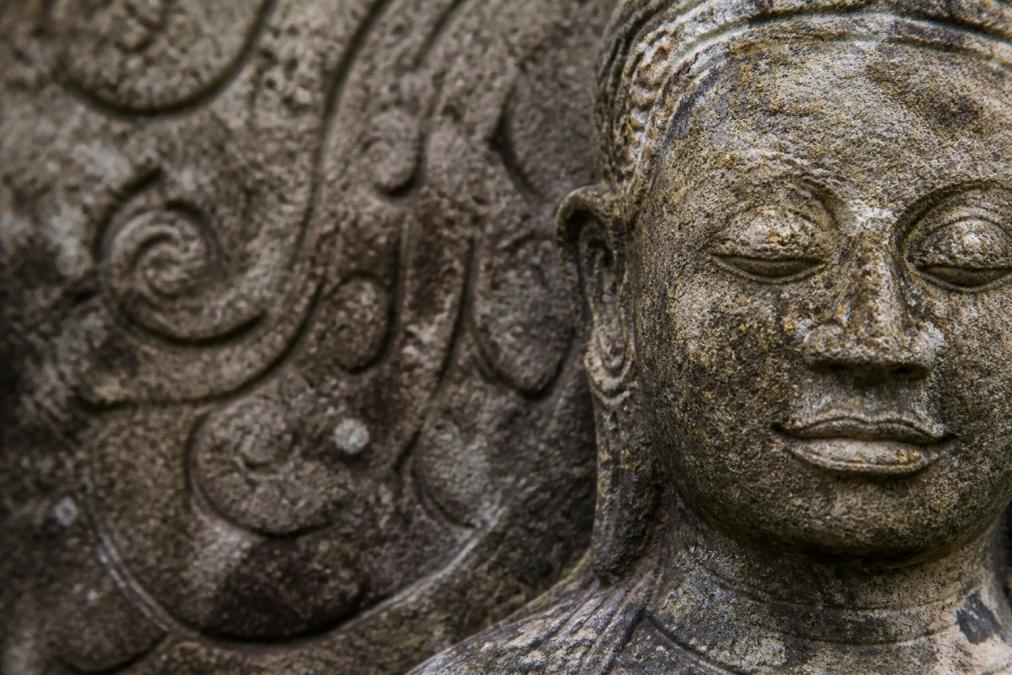
Genuine patina develops over decades or centuries through exposure to moisture, minerals, temperature fluctuation, and atmospheric conditions. It appears uneven, with darker accumulation in crevices and lighter wear on raised surfaces. The patina integrates into the stone itself and cannot be scraped away cleanly.
Artificial patina sits on the surface, flakes, and cracks in uniform patterns. Look for inconsistency: real weathering is random. One cheek may show deep patina while the other shows minimal aging, depending on environmental exposure.
Stone weathering patterns also reveal age. Soft sandstone develops rounded edges and surface erosion (usgs.gov). Granite and marble show hairline cracks following natural grain patterns. These developments take years to form naturally. Reproduction pieces often have artificially deepened cracks that don't follow geological logic.
Material Composition and Craftsmanship
Hand-carved statues display tool marks that vary in depth and angle. A single artisan develops recognizable technique over years of work. Mass production uses identical tools and pressure, creating uniform marks.
Examine the eyes, nose, and mouth closely. Hand-carved features show asymmetry. One eye may be slightly larger or positioned differently than the other. These variations are signatures of individual carving. Reproduction pieces aim for symmetry and consistency, indicating they were cast or molded rather than carved.
Material itself matters. Granite, marble, sandstone, and bronze each weather differently and respond to carving techniques distinctly. A knowledgeable dealer can identify the specific stone type and explain why it was chosen for a particular Buddha type or region.
Provenance Documentation
Provenance, the documented history of ownership and origin, carries enormous weight in authentication. A statue with clear provenance showing it entered a collection in the 1970s, previously owned by a temple or museum, carries credibility. Documentation might include photographs from decades past, export permits, appraisal letters from recognized experts, or acquisition records.
Red flags include missing provenance, vague origin claims ("from Southeast Asia"), or recently created documentation. Legitimate dealers maintain detailed records and welcome expert examination. Be cautious of claims that provenance was "lost" or "unavailable." Authentic antiques often have some documented history.
Types of Stone and Sculptural Materials
Different materials shape both the aesthetic and longevity of authentic stone buddha statues. Understanding these materials helps you evaluate quality and predict how a statue will age in your environment.
Granite and Marble represent premium choices for serious collectors. Granite is extremely durable, resisting weathering and temperature fluctuation while taking fine detail in hand-carving. Marble is softer, allowing finer sculptural detail but requiring more careful maintenance. Both command higher prices and indicate serious craftsmanship.
Granite statues weather slowly and gracefully, with weathering occurring evenly across the surface. Marble can develop surface etching from acidic rain, requiring protective sealing in certain climates (usgs.gov). Both materials are frost-proof when properly sealed, making them suitable for outdoor garden placement.
Sandstone and Bronze offer different characteristics. Sandstone is softer and more porous, allowing artisans to carve intricate detail and developing deeper patina within decades. Bronze develops a protective green patina (verdigris) that preserves the underlying metal. Hand-hammered bronze pieces show individual hammer marks that authenticate hand-crafting.
Each material requires different care approaches. Granite needs minimal intervention. Marble and sandstone benefit from periodic sealing. Bronze responds to specialized patina maintenance.
Ethical Sourcing of Buddhist Art
Purchasing authentic stone buddha statues means engaging with questions of cultural respect, fair compensation for artisans, and legal acquisition.
Cultural Appropriation vs. Appreciation
The distinction matters. Appropriation treats sacred objects as decorative commodities without understanding their spiritual significance. Appreciation involves learning the Buddha's teachings, understanding mudras and symbolism, and respecting the traditions from which these statues emerge.
A statue in your meditation space is not appropriation; it's a tool for spiritual practice. Before purchasing, learn what mudra your statue displays and what it represents. Understand which Buddha or bodhisattva the statue depicts and the region and tradition it comes from. This knowledge transforms a purchase into meaningful engagement with living cultural heritage. HD Asian Art provides detailed information about each piece's cultural context, helping collectors approach their purchases with informed respect. unique sculptural decor.
Fair Trade and Artisan-Crafted Pieces
Ethical sourcing means artisans receive fair compensation for their skill and time. Fair trade practices ensure workshops maintain safe conditions and reasonable hours. Verify that dealers source from established workshops with documented practices. Ask about working conditions, compensation, and the artisans' ability to sustain themselves through their craft.
The price difference between fair-trade artisan pieces and exploitative mass production is significant. Authentic hand-carved statues cost more because artisans deserve compensation for their expertise. A lower-priced statue claiming hand-carving likely involves underpaid labor or mass production misrepresented as artisanal work.
Choosing the Right Size and Placement
Size determines both visual impact and practical functionality. A statue too small disappears in a space; too large overwhelms it.
Indoor Meditation Spaces
For personal meditation rooms or altar spaces, smaller statues, typically 12 to 24 inches tall, create intimate focal points. Consider the sight line from your seated position. The statue should be at or slightly above eye level when sitting. Place it on a dedicated altar or shelf, elevated above floor level to honor its spiritual significance.
Lighting matters significantly. Natural light from a window creates dynamic shadows that reveal sculptural detail. Artificial spotlighting can highlight specific features. Avoid harsh overhead lighting that flattens the statue's three-dimensional form.
Outdoor Garden Placement
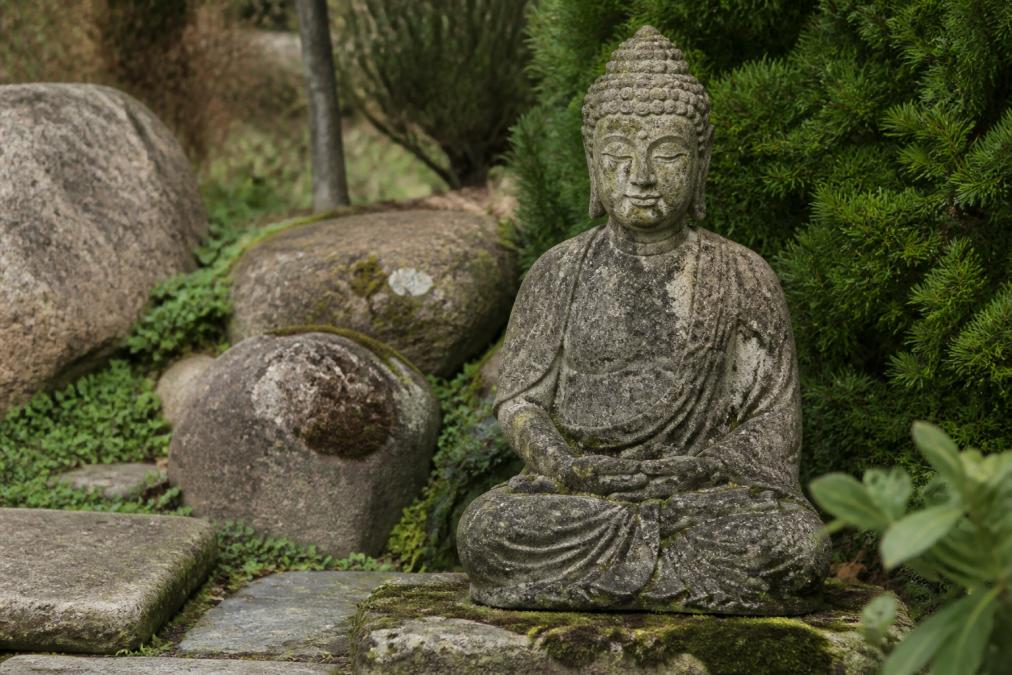
Garden statues require different considerations. Larger pieces, 24 to 36 inches or taller, command attention in outdoor settings. Position statues where they're protected from the most severe weather exposure. North-facing locations shield from intense sun that causes uneven weathering. Areas with good drainage prevent water pooling around the base.
Consider the statue's relationship to pathways and seating areas. Ideally, it should be visible from primary gathering spaces, becoming part of the garden's contemplative design.
Caring for Stone Garden Statues
Preservation requires understanding how stone responds to weather, temperature, and environmental exposure.
Weather-Resistant Maintenance
Stone statues require different care depending on climate. In wet climates, moisture penetration becomes the primary concern. Sealing the stone with appropriate products prevents water absorption that leads to freeze-thaw damage and moss growth. Granite requires less frequent sealing than sandstone or marble.
In cold climates, freeze-thaw cycles crack stone as water expands inside pores (usgs.gov). Even frost-proof pieces benefit from winter protection, a simple covering or relocation to a sheltered area during harsh months extends longevity.
Clean statues annually with soft brushes and gentle water rinse. Avoid pressure washers that force water into stone pores and erode surface detail. For stubborn algae or moss, use dilute white vinegar and a soft brush.
Preserving Patina and Sculptural Detail
The patina that develops on authentic stone buddha statues represents decades or centuries of environmental interaction. It's not dirt; it's evidence of age and authenticity. Avoid over-cleaning. Annual gentle rinsing is sufficient. The natural weathering process is part of the statue's beauty and value.
For sandstone statues in humid climates, monitor for soft spots indicating internal water damage. For marble, watch for surface etching from acidic rain. Store documentation about your statue's material, origin, and any professional conservation work. Photograph your statue annually to document aging patterns and verify condition.
Where to Find Authentic Stone Buddha Statues
Sourcing authentic pieces requires knowing where to look and what questions to ask.
Specialized Retailers and Curated Collections
Reputable dealers focus on quality over volume. They maintain relationships with artisans and established workshops, provide detailed documentation and cultural context for each piece, and welcome questions about provenance, materials, and craftsmanship.
HD Asian Art specializes in carefully curated Buddhist and Hindu statues, including exquisite Khmer and Southeast Asian sculptures. The collection balances antique treasures with contemporary hand-carved pieces from ethical artisans. Each statue includes detailed information about its origin, material composition, and cultural significance.
When evaluating any dealer, ask specific questions: Where does this statue come from? Who carved it? What documentation exists? Can they explain the mudra and its significance? Legitimate dealers answer comprehensively. Look for dealers who offer free shipping and clear damage protection policies, reflecting confidence in their sourcing and handling.
Shipping, Handling, and Damage Protection
Stone statues are fragile. Shipping requires specialized packing that prevents movement inside the box, using multiple layers of cushioning, internal bracing, and secure outer wrapping.
Reputable dealers offer damage protection as standard practice. Understand the specific terms before purchasing. Track shipping carefully and request signature confirmation for expensive pieces. Document the box's condition upon arrival before opening. If damage occurs, photograph it immediately and report to the dealer within their specified timeframe.
Consider having expensive statues professionally appraised after arrival. An appraisal establishes value for insurance purposes and provides expert authentication.
Purchasing an authentic stone buddha statue represents a meaningful investment in both art and spiritual practice. The distinction between genuine pieces and reproductions matters for value preservation and the integrity of what you're bringing into your space.
HD Asian Art offers a carefully curated selection of Buddhist and Hindu statues designed to enhance meditation spaces and refined home interiors. Browse the collection to discover hand-carved pieces sourced with attention to ethical practices, cultural authenticity, and artisanal craftsmanship. Each statue includes detailed provenance information and cultural context, ensuring you understand exactly what you're acquiring.
| Consideration | What to Look For | Why It Matters |
|---|---|---|
| Material | Granite, marble, sandstone, or bronze | Determines durability, weathering patterns, and maintenance needs |
| Hand-carving Evidence | Irregular details, variable tool marks, asymmetrical features | Proves individual artisan craftsmanship vs. mass production |
| Patina | Uneven, integrated into stone, concentrated in crevices | Indicates genuine age and environmental exposure |
| Provenance | Documented ownership history, temple origin, acquisition records | Establishes authenticity and value |
| Ethical Sourcing | Fair-trade artisans, safe working conditions, transparent practices | Ensures your purchase supports sustainable cultural traditions |
| Size | 12-24 inches for indoor, 24-36+ inches for gardens | Determines visual impact and functional integration |
| Protection | Shipping insurance, damage guarantees, professional packing | Safeguards your investment during delivery |
Frequently Asked Questions
How can you verify the authenticity of a stone Buddha statue?
Authentic stone Buddha statues show specific markers: hand-carved surfaces with natural tool marks, genuine patina that develops over decades, consistent material composition, and documented provenance. Request detailed photographs of the back and base, ask about the artisan or origin, and verify that the mudra (hand position) and facial features align with authentic Buddhist iconography. Reputable dealers provide heritage documentation and can explain the statue's history.
What are the key differences between antique and reproduction stone Buddha statues?
Antique statues display natural weathering, uneven patina, and wear patterns consistent with age and outdoor exposure. Reproductions are newer hand-carved pieces that mimic traditional techniques but lack the deep patina and historical provenance. Antique artifacts command higher prices due to rarity and spiritual significance, while quality reproductions offer artisan-crafted beauty at lower cost. Both can be authentic in craftsmanship; the distinction lies in age and historical origin.
What should I consider when buying a stone Buddha statue for outdoor use?
Choose frost-proof and weather-resistant materials like granite or treated sandstone that withstand freeze-thaw cycles. Consider placement away from direct runoff and harsh sun exposure. Verify that the statue is hand-hammered or properly sealed for durability. Check the size relative to your garden space, larger pieces anchor a meditation altar, while smaller figurines work in intimate corners. Ensure proper drainage around the base to prevent water pooling and deterioration.
Are there ethical considerations when purchasing antique Buddhist art?
Yes. Source from dealers who practice ethical sourcing and can document that pieces were legally exported and not looted from temples or sacred sites. Fair trade and artisan-crafted pieces support living sculptors in Southeast Asia. Understand the difference between cultural appreciation, honoring Buddhist traditions through mindful ownership, and appropriation, which treats sacred objects as mere decoration. Choose sellers who educate buyers on the spiritual significance and proper respect for these pieces.
